

Some tools never go out of style. A sharp chisel, a reliable handsaw, or a well-balanced hammer can serve you for years without needing a battery or motor. These classic hand tools remain essential in workshops and on jobsites because they offer control, precision, and simplicity.
For carpenters, woodworkers, mechanics, and other tradespeople, the right hand tools make everyday tasks easier. Whether you’re fitting a cabinet door, marking a precise cut, or tightening a fastener in a confined space, there are times when a manual tool is simply the better choice.
At Slim’s Power Tools, we’ve been helping Hawaii’s tradespeople find dependable equipment since 1972. From everyday hand tools to specialized Japanese cutting tools, we understand that a good toolkit isn’t about having the most tools. It’s about having the right ones.
This guide covers the classic hand tools worth owning, how to choose between traditional and modern designs, and practical ways to keep them in good condition in Hawaii’s climate.
Essential Classic Hand Tools for Every Toolkit
Classic hand tools include manually operated equipment used for cutting, measuring, shaping, gripping, and fastening materials. Their designs have stood the test of time because they continue to perform tasks efficiently without complicated mechanisms.
While every trade has different requirements, several tools form the foundation of a practical toolkit.
| Hand Tool | Primary Use | Common Applications |
|---|---|---|
| Hammer | Driving and removing nails | Framing, carpentry, general repairs |
| Screwdriver | Installing and removing screws | Electrical work, assembly, maintenance |
| Hand saw | Cutting wood manually | Carpentry, woodworking, trim |
| Chisel | Cutting and refining wood joints | Cabinetmaking, finish carpentry |
| Hand plane | Flattening and smoothing wood | Woodworking, furniture making |
| Tape measure | Measuring distances | Construction, installation, layout |
| Combination square | Checking and marking angles | Carpentry, fabrication |
| Pliers | Gripping, bending, and cutting | Electrical, plumbing, mechanical work |
| Adjustable wrench | Turning different-sized fasteners | Plumbing, maintenance, repairs |
| Clamp | Holding materials securely | Woodworking, assembly, fabrication |
These tools work best when selected for specific applications.
A framing carpenter might prioritize a durable hammer, tape measure, and combination square. A cabinetmaker will likely depend more heavily on chisels, hand planes, and clamps. Mechanics and maintenance technicians often need a wider selection of pliers, wrenches, and screwdrivers.
The goal is to build a toolkit around the tasks you perform most frequently.
Hand Tools and Power Tools Work Together
Modern power tools haven’t made traditional hand tools obsolete. Instead, they complement one another.
A circular saw can cut lumber quickly, but a handsaw may provide better control for a small finishing cut. A cordless drill handles repetitive fastening, while a manual screwdriver allows careful adjustment of delicate hardware.
In woodworking, powered equipment often handles the initial cutting and shaping. Hand tools take over when a joint needs fine adjustment or a surface requires careful finishing.
Having both gives you more flexibility without relying on powered equipment for every task.
Building a Practical Hand Tool Collection
A well-equipped workshop doesn’t need hundreds of tools. For most beginners and working professionals, a smaller collection of dependable tools is more useful than a large assortment of rarely used equipment.
The best approach is to start with the essentials and expand as your projects become more specialized.
Cutting and Shaping Tools
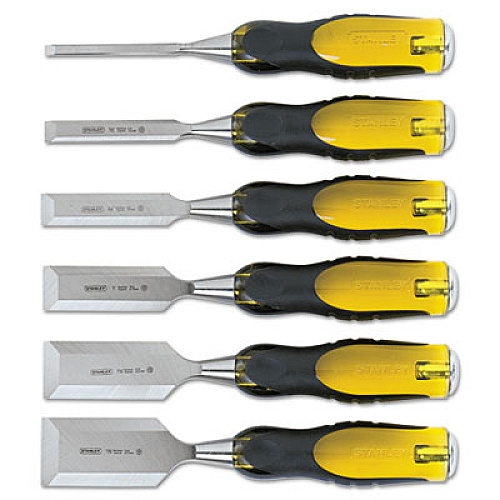
Hand saws, chisels, files, rasps, and planes help remove material and refine surfaces.
For woodworking, a general-purpose handsaw and a small selection of chisels provide a useful starting point. More specialized tools, such as spokeshaves or dedicated joinery saws, can be added when a project calls for them.
Choose cutting tools according to the material, desired finish, and level of precision required.
Measuring and Marking Tools
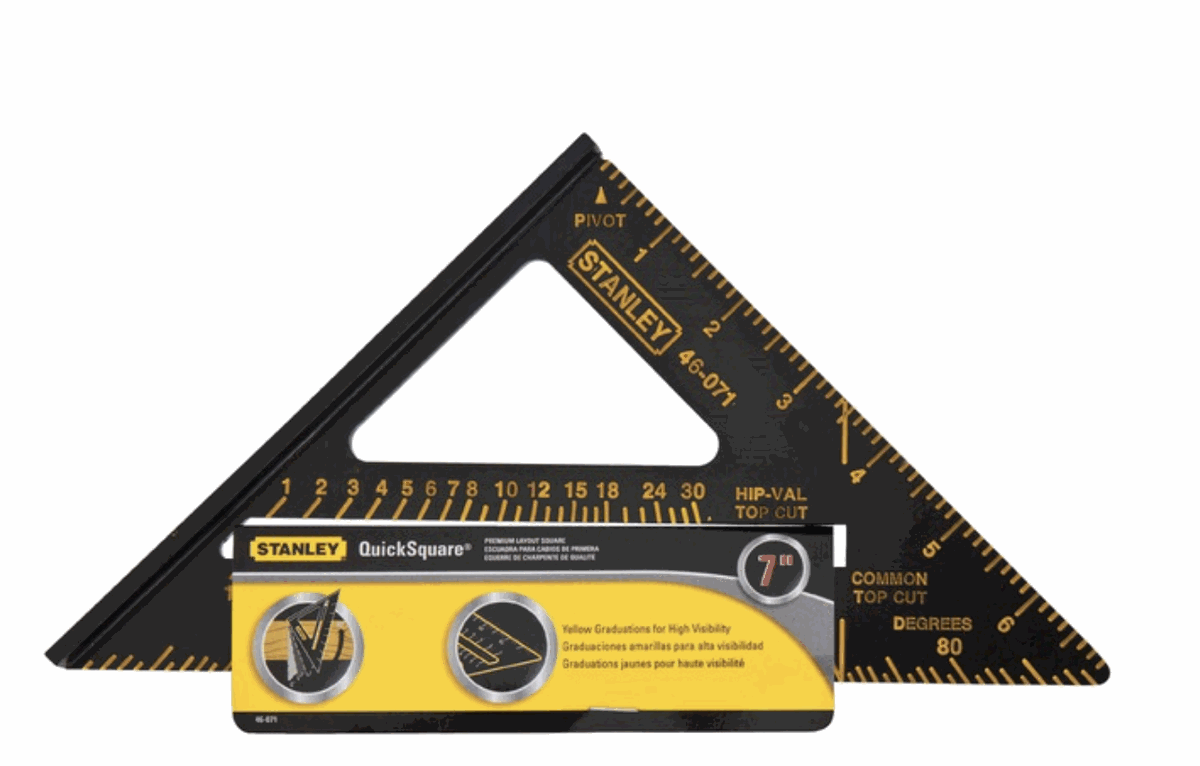
Accurate measurements are the foundation of quality work.
A dependable tape measure, combination square, and marking tool are useful across many trades. For detailed woodworking, a marking knife can produce a finer reference line than a pencil.
Before buying, check that measuring tools are easy to read and that their reference surfaces are properly aligned.
A square that isn’t accurate can introduce errors into every project.
Striking, Gripping, and Fastening Tools
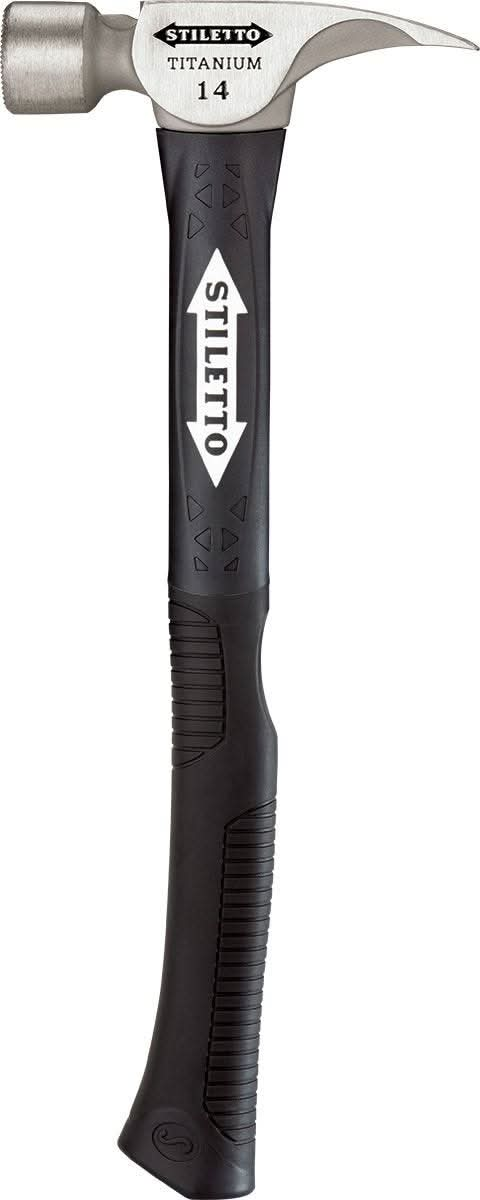
Hammers, mallets, pliers, wrenches, and screwdrivers handle assembly, adjustment, and maintenance.
Look for comfortable grips, durable construction, and designs appropriate for the work.
For example, a woodworking mallet is intended for different tasks than a framing hammer. Likewise, pliers designed for gripping aren’t necessarily suitable for cutting hardened wire.
Maintenance and Sharpening Supplies
Good hand tools need regular care.
Sharpening stones, suitable lubricants, protective oils, and cleaning materials help maintain cutting performance and prevent deterioration.
Rather than purchasing every accessory immediately, begin with maintenance products appropriate for the tools you already own.
As your collection grows, you’ll have a clearer idea of which specialty tools are worth adding.
Japanese Hand Tools and Their Distinctive Designs
Japanese hand tools are particularly popular among woodworkers who value precision and control.
Their traditional designs differ from many Western tools, especially in the way they cut and how their blades are constructed.
Understanding these differences makes it easier to choose tools that suit your technique and projects.
Japanese Pull Saws
One of the most recognizable Japanese woodworking tools is the pull saw.
Unlike many traditional Western handsaws, which cut primarily on the push stroke, Japanese pull saws cut as the blade is drawn toward the user.
This puts the blade under tension during the cutting stroke. Many designs can therefore use thinner blades, producing a narrow kerf and removing less material.
Three common Japanese saw designs include:
- Ryoba: A double-edged saw with separate cutting edges, commonly used for ripping and crosscutting.
- Dozuki: A fine-toothed saw with a reinforcing spine, designed for controlled cuts and detailed joinery.
- Kataba: A single-edged saw without a reinforcing spine, allowing deeper cuts through suitable materials.
Each design serves a different purpose.
A dozuki may be ideal for cutting precise joinery, while a ryoba provides versatility for general woodworking.
Blade tooth geometry, wood species, and cutting technique all influence performance, so the best choice isn’t necessarily the saw with the finest teeth.
Slim’s carries Japanese-style cutting tools, including pull saws and replacement blades from brands such as Tajima and Takagi/Shark. Our team can help you compare available options based on your intended application.
Japanese Chisels and Hand Planes
Traditional Japanese chisels, known as nomi, and hand planes, known as kanna, are valued for their distinctive construction and cutting techniques.
Many traditional examples use laminated blades that combine hard cutting steel with a softer backing material.
The harder steel provides the cutting edge, while the backing supports the blade.
Some Japanese chisels also feature hollow-ground backs, reducing the surface area that must be flattened during sharpening.
Japanese hand planes typically cut on the pull stroke, unlike many Western bench planes.
These tools can perform exceptionally well in fine woodworking, but they require proper setup, sharpening, and handling.
They’re not automatically better than Western alternatives. The right choice depends on the work, the user’s technique, and maintenance preferences.
Although traditional Japanese chisels and planes are important examples of classic woodworking tools, they are not part of our currently listed Japanese hand tool selection. Contact us to discuss specific product requirements before visiting.
Choosing and Maintaining Hand Tools in Hawaii
Hawaii’s climate introduces maintenance challenges that deserve attention, especially for tools made from carbon steel.
Humidity, airborne salt, and moisture exposure can contribute to corrosion on unprotected metal surfaces.
A few consistent habits can help preserve cutting edges, moving components, and exposed steel.
Selecting Quality Hand Tools
When comparing hand tools, focus on four important characteristics.
Steel quality and cutting performance: For chisels, saws, and other cutting tools, blade material and heat treatment influence durability and edge retention.
Fit and finish: Moving parts should operate smoothly, measuring surfaces should align correctly, and gripping components should feel secure.
Handle comfort: A well-balanced tool with a comfortable grip can make repetitive work easier to control.
Serviceability: Replaceable blades, handles, and other components may extend the practical life of certain tools.
Whenever possible, handle tools before purchasing them. Specifications can tell you about dimensions and materials, but they don’t always communicate how a tool feels during use.
Preventing Rust and Corrosion
After working in humid or coastal conditions, wipe tools clean and dry before storing them.
For suitable metal surfaces, apply a compatible protective oil, paste wax, or corrosion inhibitor.
Traditional camellia oil is commonly used to protect carbon-steel woodworking tools.
Follow manufacturer instructions, particularly around handles, electrical components, and surfaces that should remain free of lubricants.
Store tools in a dry, protected location rather than leaving them exposed in an open truck bed or damp workshop.
Desiccant packs can help manage moisture in enclosed storage containers, provided they’re replaced or reconditioned when necessary.
Sharpening and Routine Inspection
Sharp cutting tools generally require less force and provide better control than dull ones.
For many Western bench chisels and plane irons, a primary bevel near 25 degrees with a slightly steeper secondary bevel is a common starting point.
However, sharpening angles depend on the steel, blade geometry, and intended application.
Traditional Japanese blades may require different techniques, so follow the manufacturer’s recommendations.
Regularly inspect handles, striking heads, blades, and adjustment mechanisms. Replace damaged components before returning a tool to service.
More Than Power Tools: What Slim’s Carries
At Slim’s Power Tools, our selection extends beyond powered equipment.
We supply hand tools, cutting accessories, and contractor equipment for professionals and DIY customers who need products suited to specific applications.
Our relevant product categories include:
- Professional hand tools: Hammers, screwdrivers, pliers, wrenches, and other everyday tools for construction, mechanical work, and maintenance.
- Japanese hand tools: Pull saws, replacement blades, utility knives, and layout tools for precision-oriented tasks.
- Power tools: Professional drilling, cutting, grinding, and fastening equipment that complements traditional hand tools.
- Chemicals and lubricants: Selected maintenance products for suitable tool and equipment applications.
We also assist with special orders for eligible products.
Because availability can vary, we recommend contacting our team when you’re looking for a specific brand, model, or replacement component.
Why Choose Slim’s Power Tools
Choosing the right hand tool often comes down to details that aren’t obvious in an online product listing.
The weight of a hammer, the shape of a handle, or the tooth pattern of a saw can influence how comfortably and effectively you work.
At Slim’s, we focus on professional tools and contractor supplies, helping customers compare equipment based on practical applications rather than appearance alone.
Our knowledgeable team can help you explore suitable products, understand compatibility considerations, and identify available alternatives.
With local store access on Oahu and Maui, customers can discuss their needs directly and inspect available tools before purchasing.
For professionals building a working toolkit, that personal guidance can be especially valuable when selecting specialized equipment.
Frequently Asked Questions About Classic Hand Tools
What are the most essential classic hand tools for beginners?
A hammer, screwdriver set, tape measure, combination square, pliers, adjustable wrench, and handsaw provide a useful starting point. Woodworkers may also want chisels and clamps. The best selection depends on the projects you plan to complete.
Are classic hand tools still useful for professional contractors?
Yes. Hand tools remain essential for measuring, marking, adjustments, fastening, and finishing. They complement powered equipment and are often more convenient for smaller tasks or work requiring careful control.
Are Japanese hand tools better than Western hand tools?
Neither design is universally better. Japanese pull saws and traditional cutting tools offer characteristics suited to certain woodworking applications, while Western tools may be preferable for others. Consider the material, cutting technique, maintenance requirements, and personal preference.
Are vintage hand tools worth buying?
Vintage tools can be excellent purchases when they’re in good condition or can be restored economically. Inspect them carefully for damage, missing parts, and excessive corrosion. If you need equipment ready for daily professional use, a modern tool may be more practical.
How can I protect hand tools from rust in Hawaii?
Clean and dry tools after use, apply suitable protective products to exposed metal, and store equipment away from moisture. Carbon-steel cutting tools require particular attention in humid and coastal environments.
Where can I buy professional hand tools in Hawaii?
Slim’s Power Tools carries professional hand tools and Japanese-style cutting tools for contractors, woodworkers, and DIY customers. Contact our Honolulu or Kahului team to check availability before visiting.
Find the Right Hand Tools at Slim’s Power Tools
A dependable toolkit doesn’t need to be complicated. It starts with well-made tools that suit your work, feel comfortable in your hands, and can be maintained over time.
Whether you’re replacing worn equipment, exploring Japanese pull saws, or building a woodworking kit from the ground up, we’re here to help you make a confident choice.
Visit or contact us:
Honolulu, Oahu
1626 Republican St., Honolulu, HI 96819
(808) 841-0902
Kahului, Maui
142 Kalepa Place, Kahului, HI 96732
(808) 242-7878
Tell us what you’re working on, and our team can help you explore suitable hand tools, accessories, and special-order options.
Contact Slim’s Power Tools today and build a toolkit that’s ready for the work ahead.
