
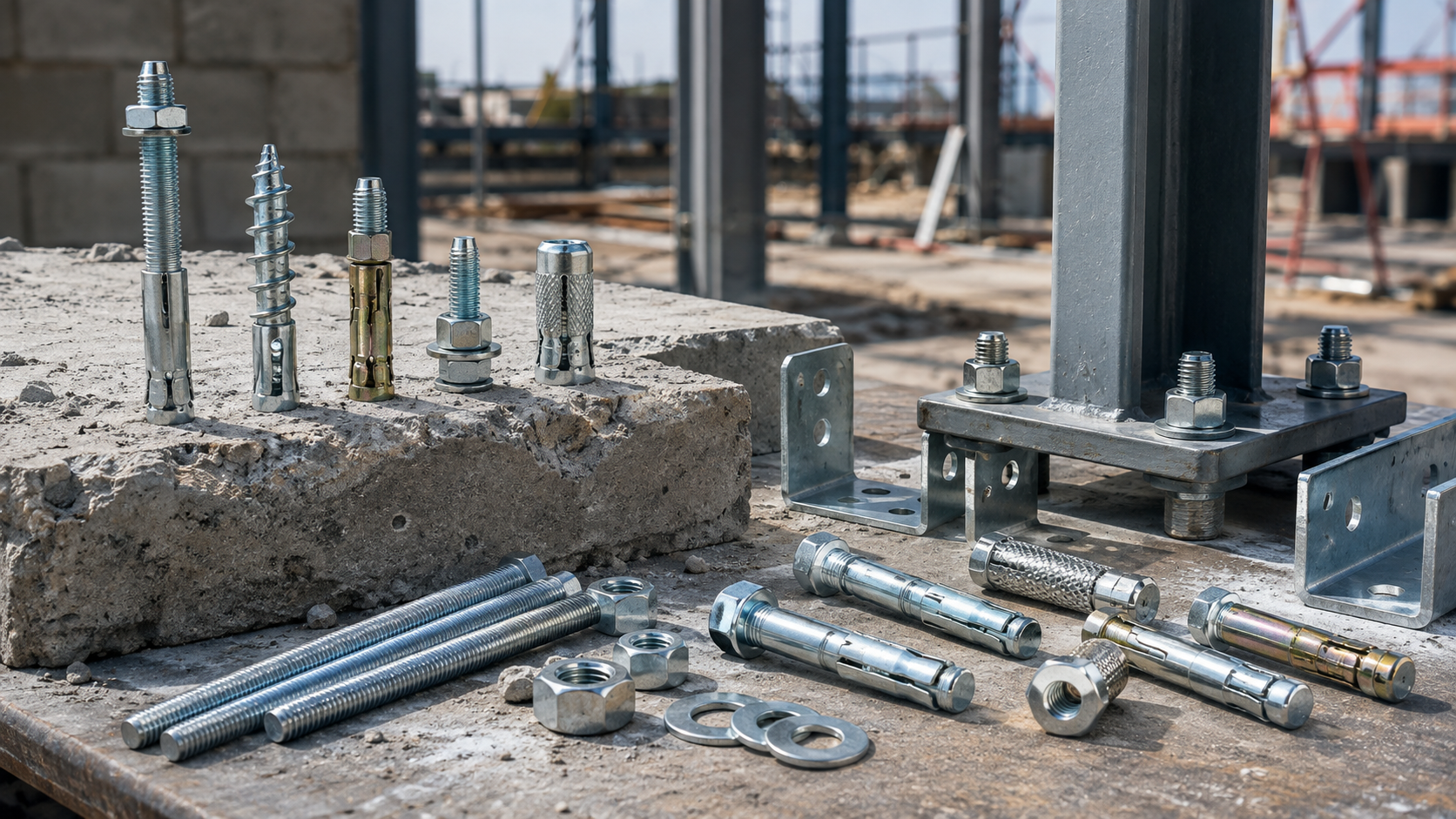
Securing heavy structural loads into concrete is a critical phase of any commercial or residential build. A fastener failure does not just result in a callback. It results in structural collapse and severe liability. Contractors operating in Hawaii face additional layers of complexity due to strict local building codes governing seismic activity and high wind loads. You must select the exact hardware engineered to withstand these specific dynamic forces.
Slim’s Power Tools supplies heavy-duty Fasteners to professional contractors across Oahu and Maui. We see the costly mistakes caused by specifying the wrong anchor type for a specific concrete substrate. Understanding the mechanics of mechanical and chemical anchoring systems ensures code-compliant purchasing decisions for your crew.
Understanding Structural Load Dynamics
Before selecting a concrete anchor, you must identify the exact type of force the fastener will experience on the job site. Anchors fail when the applied load exceeds either the strength of the steel bolt or the strength of the surrounding concrete.
Shear Load
Shear load is the force pushing down or across the fastener perpendicular to the shank. Picture a heavy steel ledger board bolted to the side of a concrete foundation. Gravity pulls the board down toward the dirt. This downward force attempts to slice the anchor bolt in half like a pair of scissors. High shear loads require anchors manufactured from high-tensile steel.
Tension Load (Pull-Out)
Tension load is the force pulling the anchor straight out of the drilled hole. Wind loads acting against a framed wall create massive upward tension on the sill plate anchors. The fastener relies entirely on the friction or chemical bond against the concrete sidewalls to resist this pulling force. Concrete anchor pull out strength dictates the maximum tension load a fastener can safely hold.
Mechanical Anchors: Friction and Expansion
Mechanical anchors utilize physical expansion to lock themselves against the internal walls of a drilled hole. As you tighten the nut, a mechanism forces the anchor body outward. These are the most common structural fasteners found on Hawaii job sites due to their immediate load-bearing capabilities.
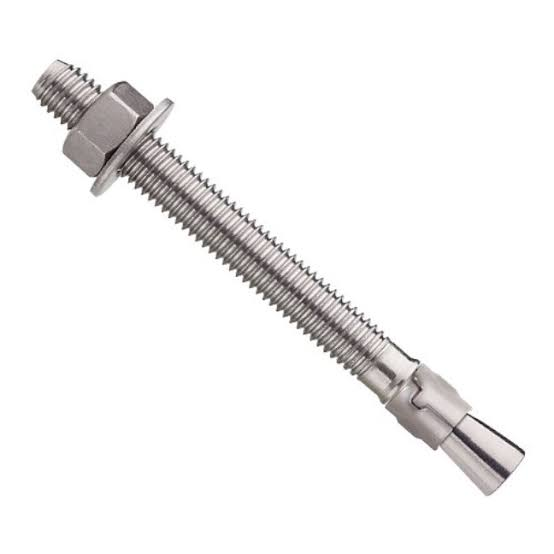
Wedge anchors
Wedge Anchors
Wedge anchors are the industry standard for heavy-duty structural fastening in solid concrete. They consist of a threaded stud with a conical end wrapped in a metal expansion clip. As you tighten the nut, the conical end pulls up into the clip. This action wedges the clip permanently against the concrete.
Wedge anchors provide exceptional pull-out strength. They are strictly approved for solid concrete only. Installing a wedge anchor into hollow block or brick will shatter the masonry outward during expansion.
Sleeve Anchors
Sleeve anchors function similarly to wedge anchors but feature a full-length metal sleeve over the threaded stud. When tightened, the entire sleeve collapses and expands along its full length. This broader expansion area distributes the stress over a larger section of the base material.
When comparing wedge anchors vs sleeve anchors, the base material dictates your choice. Sleeve anchors are highly versatile. Contractors rely on them heavily for fastening into hollow concrete block (CMU), brick, and older, softer masonry where a wedge anchor would cause cracking.
Drop-In Anchors
Drop-in anchors are internally threaded cylinders. You drop the cylinder into a drilled hole and use a specialized setting tool to strike an internal plug. Striking the plug expands the bottom of the cylinder into the concrete. You then thread a standard bolt or threaded rod into the anchor.
Commercial contractors use drop-in anchors extensively for overhead installations. They are the primary choice for hanging HVAC ductwork, sprinkler pipes, and heavy cable trays from concrete ceilings.
Mechanical Anchor Selection Matrix
| Anchor Type | Base Material Requirement | Primary Load Strength | Best Application |
|---|---|---|---|
| Wedge Anchor | Solid Concrete Only | Extremely High Tension | Structural steel columns, sill plates |
| Sleeve Anchor | Solid & Hollow Masonry | Medium Tension & Shear | Hollow block walls, brick facades |
| Drop-In Anchor | Solid Concrete Only | High Tension (Overhead) | HVAC suspension, threaded rod |
| Concrete Screw | Solid Concrete & Brick | Medium Shear | Electrical boxes, furring strips |
Chemical Anchors: Epoxy Injection Systems
Chemical anchoring systems replace mechanical friction with a high-strength chemical bond. These systems consist of a specialized two-part epoxy resin injected directly into the drilled hole before inserting a threaded rod or piece of rebar.
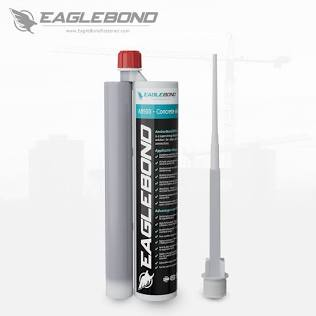
Chemical anchors provide maximum strength without expansive stress on the concrete
The Advantage of Zero Expansion
Mechanical anchors place massive outward stress on the surrounding concrete. If you install a wedge anchor too close to the edge of a concrete slab, the expansion force will blow out the side of the concrete.
Chemical anchors exert zero expansive force. The epoxy physically bonds the threaded rod to the pores of the concrete. This allows contractors to place structural anchors extremely close to slab edges or install multiple anchors closely together without compromising the substrate.
Maximum Load Capacity
Once fully cured, the epoxy bond is actually stronger than the surrounding concrete. If pushed to failure under extreme tension, the concrete will tear out in a cone shape before the epoxy releases the rod. This makes chemical anchors the premier choice for seismic retrofitting and securing critical structural steel in high-wind zones across the islands.
The primary drawback of chemical anchoring is the installation time. The hole requires meticulous cleaning with wire brushes and compressed air. The epoxy also requires specific curing times based on ambient job site temperatures before you can apply any structural load.
Surviving the Hawaii Environment: Corrosion Resistance
Selecting the correct mechanical style solves the engineering problem. Selecting the correct steel coating solves the environmental problem. The constant salt spray and high humidity on Oahu and Maui will destroy unprotected steel rapidly. A rusted anchor loses its shear strength and bleeds heavy rust stains down the face of the concrete.
Zinc-Plated Carbon Steel
Zinc-plated anchors feature a very thin coating of zinc applied over standard carbon steel. These fasteners are suitable strictly for dry, interior applications. Using zinc-plated structural fasteners outdoors in Hawaii guarantees rapid corrosion and eventual structural failure.
Hot-Dipped Galvanized Steel
Hot-dipped galvanizing immerses the anchor in a bath of molten zinc. This creates a thick, durable barrier against moisture. Galvanized anchors are the standard choice for exterior residential framing, treated lumber connections, and general outdoor construction away from direct coastal spray.
Stainless Steel (Type 304 and Type 316)
Stainless steel alloys contain chromium. The chromium creates an invisible oxide layer that prevents rust from forming. Type 304 stainless steel handles most outdoor environments across the islands.
Type 316 stainless steel contains molybdenum. This addition provides extreme resistance to chlorides (salt). If your job site is located directly on the coastline or involves submerged marine applications, building codes will strictly require Type 316 stainless steel anchors. They represent a higher initial cost but guarantee long-term structural integrity against the Pacific Ocean environment.
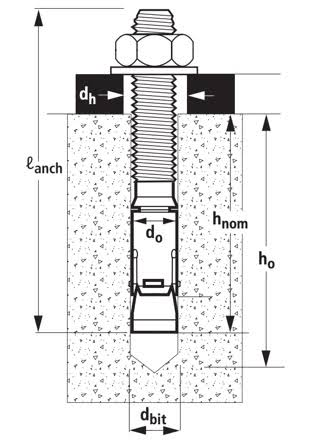
Proper installation depth is critical for achieving maximum pull-out strength
Best Practices for Installation
Even the highest-quality heavy duty concrete anchors will fail if installed incorrectly. Follow these standard procedures to ensure your fasteners achieve their rated load capacities.
- Use the Correct Drill Bit: You must drill the hole using a carbide-tipped masonry bit that perfectly matches the stated diameter of the anchor. A worn-out bit creates an undersized hole, causing the anchor to bind prematurely. An oversized bit prevents the expansion clip from gripping the walls.
- Clear the Dust: Concrete dust acts like a dry lubricant inside the hole. You must use a heavy wire brush and compressed air or a vacuum to remove all dust before inserting the anchor. Failing to clean the hole reduces pull-out strength by up to fifty percent.
- Ensure Proper Embedment: Structural engineers specify a minimum embedment depth for every fastener. The anchor must reach this depth into solid concrete, not just sit in the top layer of stucco or cosmetic finish.
- Apply Specified Torque: Do not use an impact wrench to tighten structural wedge anchors. You must use a calibrated torque wrench. Over-tightening stretches the steel stud and weakens the anchor. Under-tightening prevents the expansion clip from setting securely.
Equip Your Crew for Structural Success
Sourcing the correct hardware keeps your job site moving and ensures your structures pass strict local inspections. Never compromise on structural fasteners.
Visit Slim’s Power Tools at our Honolulu location or our Maui location. We stock a comprehensive inventory of construction fasteners, masonry drill bits, and epoxy injection systems engineered for island environments. Our experienced counter staff can help you navigate local building requirements to select the exact hardware your project demands. Browse our full Fasteners collection online and secure your next build with confidence.
