
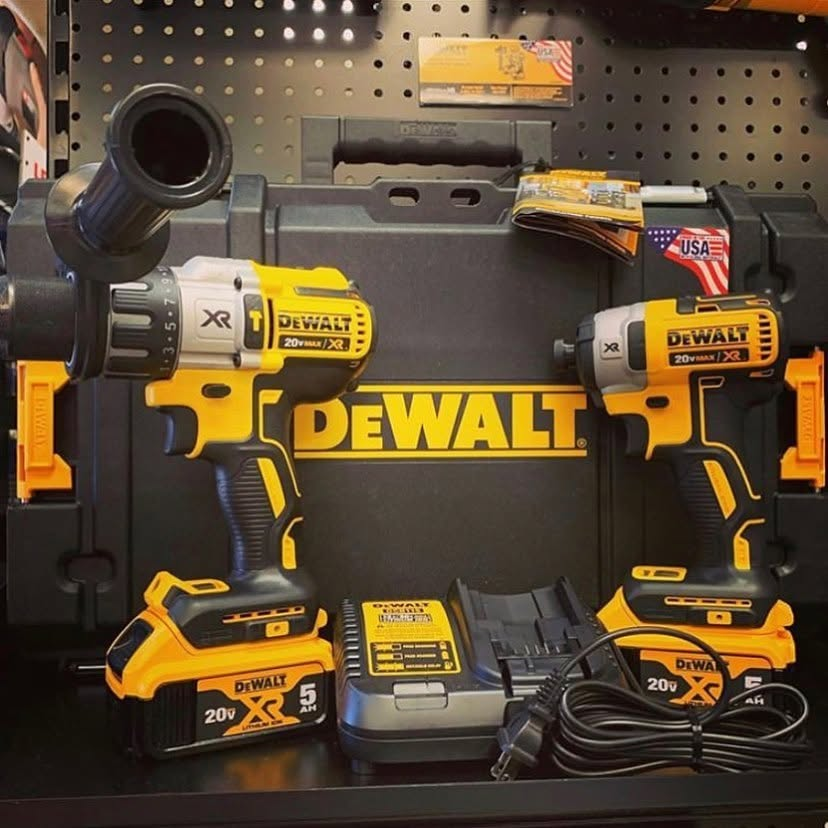
Construction in Hawaii presents unique challenges that mainland contractors rarely face. High humidity and aggressive salt air directly impact daily equipment performance on remote island job sites. Whether you manage a large commercial crew in Kakaako or operate a residential framing team on the North Shore, selecting the correct power system dictates your operational efficiency.
Slim’s Power Tools has supplied Hawaii contractors since 1972. We see exactly how local site conditions dictate the success of corded or cordless equipment over the long haul. Making the right purchasing decision requires a technical understanding of motor efficiency and battery chemistry limits, while accounting for the realities of temporary site power.
Quick Comparison: Corded vs. Cordless Tools
This breakdown highlights how each power system impacts daily operations on Oahu and Maui job sites.
| Feature | Corded Power Tools | Cordless Power Tools |
|---|---|---|
| Power Supply | Continuous direct grid or generator power | Limited by battery amp-hour (Ah) capacity |
| Mobility | Restricted by extension cord length | Unrestricted movement across the entire site |
| Initial Cost | Lower base price without battery investments | Higher initial cost for batteries and chargers |
| Safety Profile | Creates potential trip hazards on walkways | Eliminates floor clutter and cord snags |
| Durability | Simple motor design resists heavy vibration | Requires careful battery temperature management |
| Best Application | Sustained heavy demolition and stationary cutting | Elevated roof work, framing, and remote builds |
The Case for Cordless Power Tools
Modern cordless technology has fundamentally changed how job sites operate across Oahu and Maui. The rapid advancement of lithium-ion battery platforms provides unprecedented freedom of movement for framing crews, electricians, and finish carpenters. You no longer need to manage hundreds of feet of extension cords on large concrete pours. You also bypass the need to secure site access in remote areas without reliable grid power.
Brushless Motor Performance and Reliability
The shift from brushed to brushless motor technology allows modern cordless tools to match the torque and rotational speed of their corded counterparts. Brushless motors use an electronic circuit board to deliver power to the electromagnet. This eliminates the physical friction of carbon brushes rubbing against a commutator.
The result is a motor that runs significantly cooler and draws less energy from the battery pack. This efficiency translates directly to more cuts per charge. For high-volume fastening tasks, cordless impact drivers deliver enough torque to sink heavy structural lags into dense engineered lumber without motor stall.
Understanding Voltage and Amp-Hours (Ah)
Choosing a cordless system requires understanding the battery specifications. Voltage dictates the overall power output. Standard 18V or 20V systems handle the vast majority of drilling and fastening tasks. High-demand tools like cordless table saws and heavy-duty rotary hammers utilize 40V, 60V, or dual-battery configurations to deliver the necessary force.
Amp-hours (Ah) measure the fuel tank capacity. A 2.0 Ah battery keeps a drill lightweight for overhead drywall installation. A massive 8.0 Ah or 12.0 Ah battery provides the sustained runtime required for a cordless circular saw ripping thick plywood sheets all morning.
Job Site Mobility and OSHA Compliance
Hawaii job sites frequently require working in tight spaces, elevated roof pitches, or damp crawl spaces. Managing a tangled cord while balancing on a ladder creates unnecessary safety hazards for your crew. Cordless tools eliminate these trip risks entirely and increase overall operational speed. Your crew spends less time managing temporary power infrastructure and more time actively cutting and fastening.
Federal regulations require strict management of temporary power cords on commercial sites. Removing cords from the walking path helps maintain a safer workspace and prevents fines during site inspections.
Key Benefits of Cordless Tool Systems
| Feature | Benefit to the Contractor | Best Application |
|---|---|---|
| Instant Battery Swaps | Eliminates downtime waiting for recharges | High-volume framing and decking |
| No Power Cables | Reduces trip hazards and setup time | Roof work and elevated platforms |
| Off-Grid Capability | Delivers full function without grid power | Remote builds and initial site prep |
| Brushless Efficiency | Lowers motor temperatures to reduce wear | Heavy structural fastening |
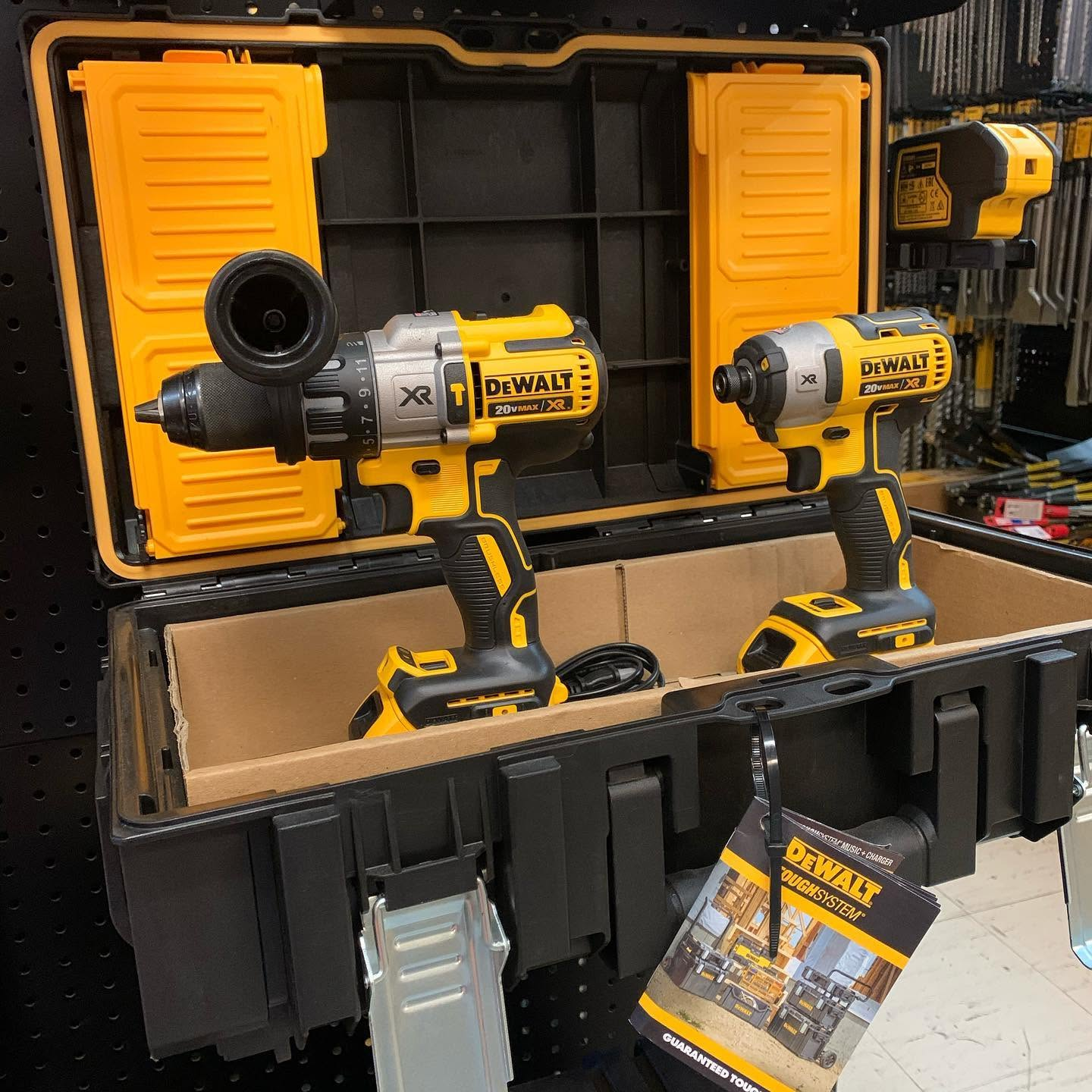
The Case for Corded Power Tools
Corded tools remain the undisputed standard for heavy-duty, stationary, and continuous-use applications. When a specific project demands maximum high-output power for an entire shift, a dedicated electrical supply ensures consistent performance without interruption.
Sustained Maximum Power Output
Corded tools pull electricity directly from the grid or a high-output job site generator. They do not suffer from the gradual power degradation that affects batteries as their charge depletes. For aggressive material removal, corded tools provide reliable torque hour after hour.
A heavy-duty corded SDS-Max rotary hammer delivers consistent impact energy for breaking up reinforced concrete footings. You will not need to stop a demolition sequence to swap a battery. You also avoid waiting for a charging station to catch up with a demanding workflow.
Navigating Voltage Drop on Large Sites
Operating corded tools requires managing your power infrastructure correctly. Stringing multiple extension cords together across a large Maui job site creates a voltage drop. When a 15-amp circular saw does not receive a full 120 volts, the motor pulls more amperage to compensate. This excess current generates extreme heat and rapidly burns out the motor windings.
Contractors utilizing corded tools must invest in heavy-gauge (10-gauge or 12-gauge) extension cords to ensure their equipment receives adequate power over long distances.
Proven Durability for Stationary Work
Corded tools feature simple construction methods. Fewer complex electronic control boards and the complete absence of battery terminals mean fewer potential failure points. They survive dusty, high-vibration masonry environments exceptionally well. A corded sliding compound miter saw can sit on a cutting station for years, enduring daily use without needing a replacement power source.
When to Choose Corded Equipment
| Application Type | Tool Recommendation | Primary Advantage |
|---|---|---|
| Continuous Cutting | 15-Amp Worm Drive Saw | Never bogs down in thick wet lumber |
| Stationary Layouts | 12-Inch Sliding Miter Saw | Infinite runtime for trim carpentry crews |
| Heavy Demolition | SDS-Max Rotary Hammer | Maximum impact force for concrete slabs |
| Metal Fabrication | 9-Inch Angle Grinder | Sustained RPM for aggressive steel grinding |
Environmental Factors in Hawaii
The Hawaiian climate presents uniquely harsh conditions for professional power tools. Salt spray leads directly to terminal corrosion. High daily humidity speeds up oxidation across internal electrical circuits. Volcanic dust acts as a severe abrasive inside motor housings. Regardless of the power source you select, implementing a strict maintenance protocol protects your financial investment.
Protecting Lithium-Ion Batteries from Island Heat
Cordless tools require strict attention to battery storage protocols. Do not leave lithium-ion batteries sitting inside hot trucks or enclosed gang boxes under the afternoon sun. The intense tropical heat degrades internal battery cells rapidly. This heat exposure permanently reduces their total charge capacity and shortens their usable lifespan. Keep your spare batteries in a cool, shaded area at the job site.
Preventing Corded Tool Corrosion
Salt air corrosion aggressively attacks exposed electrical prongs and open-frame motors. If you operate corded tools near coastal areas on Oahu or Maui, use compressed air to blow out the motor housings at the end of each shift. Wipe down the metal chucks and base plates with a light rust-preventative lubricant to stop oxidation before it pits the metal.
Slim’s Power Tools provides a famous Unconditional One-Year Guarantee on selected tool manufacturers. This protection actively covers the specific accidents and failures that routinely occur on active island job sites. If a covered tool fails due to rough handling or environmental exposure, bring it directly to our Honolulu or Maui retail location for an immediate assessment.
Managing Your Crew’s Equipment Fleet
Evaluate your specific daily workflow carefully before authorizing a large equipment purchase. A framing crew operating on a remote undeveloped site requires drastically different equipment than a finish carpentry team working inside a fully powered luxury home.
Battery Platform Standardization
If you choose to transition your crew to cordless equipment, you must commit to a single battery platform. Investing heavily in one specific brand of Power Tools allows your team to share batteries seamlessly across drills, saws, and impact drivers. This strategy drastically reduces your total inventory costs. It also simplifies charging management on the job site. Mixing brands leads to dead tools, incompatible chargers, and wasted time.
Assessing Temporary Power Infrastructure
Check your available power capacity before breaking ground. If you are working on a new residential development without permanent electricity, you must rely entirely on portable generators. Generators possess strict wattage output limits. Deploying cordless tools actively reduces the total electrical load on your generator. This reduction allows you to run heavy stationary equipment or site lighting simultaneously without continuously tripping the generator breakers.
Implementing Maintenance and Safety Cycles
Corded tools require daily visual inspections of the power cord. Look closely for nicks, deep cuts, or exposed internal wires that occur during rough handling or when cords drag across sharp concrete edges. Replace damaged cords immediately to prevent job site shocks. Never bypass the ground pin on a three-prong plug to fit a damaged extension cord.
Equip Your Hawaii Job Site
Your final choice depends entirely on the specific demands of your upcoming projects. Many successful Hawaii contractors maintain a hybrid fleet to maximize site efficiency. They deploy cordless tools for exterior field installation, roofing, and structural framing. They reserve heavy corded tools for the fabrication shop or for aggressive demolition tasks where constant, unyielding power is strictly required.
Visit Slim’s Power Tools at our Honolulu location or our Maui location to handle the latest professional models in person. Our experienced staff can demonstrate the exact power differences between the corded and cordless versions of the equipment you rely on every day. We ensure your crew has the exact gear required to stay on schedule and avoid costly downtime. Explore our full range of Power Tools online to start building out your fleet today.
