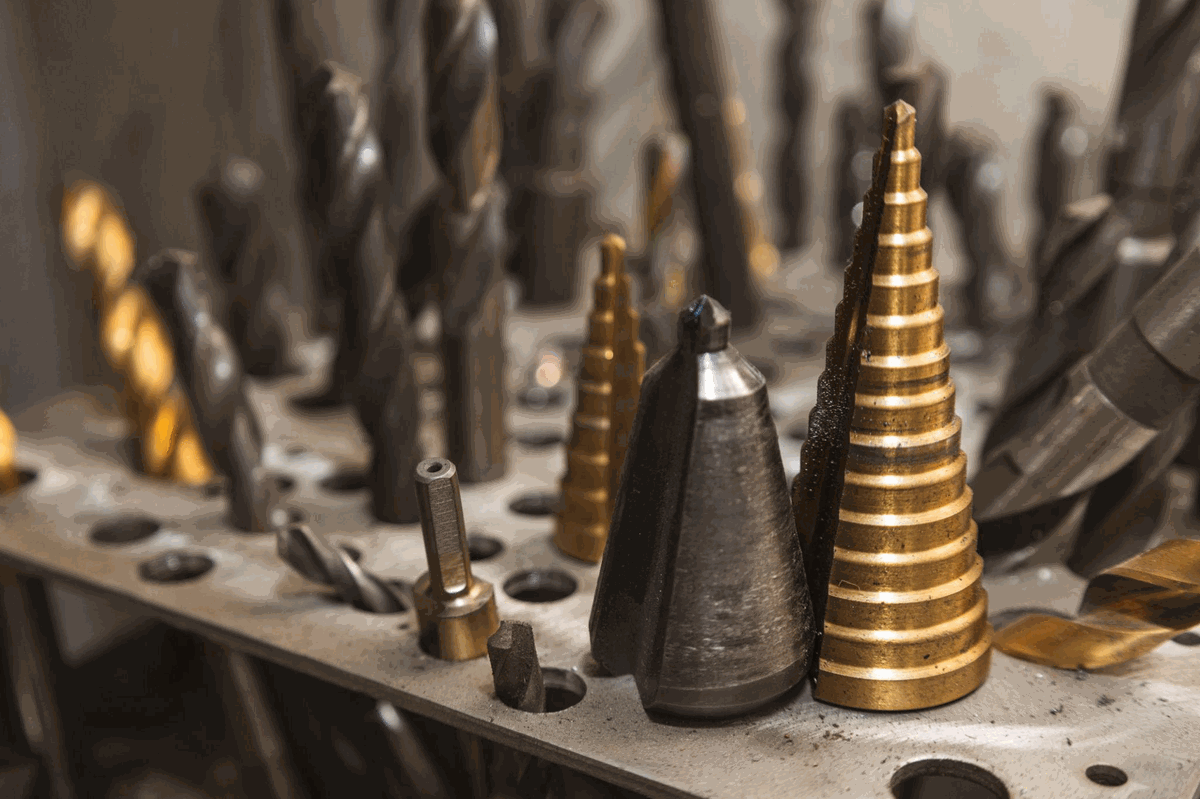
A drill bit that quits halfway through a job can throw off your entire day. Maybe you’re bored through wood framing and hit a hidden nail. Or you’re installing conduit supports in concrete and discover your bit isn’t suited to the material. Either way, work stops while you find a replacement.
For electricians working across Hawaiʻi, having the right drill bits on hand matters. Wood framing, metal enclosures, concrete walls, and masonry each call for different cutting tools. Choosing the wrong one can leave you with a damaged bit, an oversized hole, or unnecessary wear on your drill.
At Slim’s Power Tools, we help contractors and electricians on Oʻahu and Maui find tools and accessories suited to their work. Our drill bit selection includes options for wood, metal, concrete, masonry, and specialty applications.
This guide explains which drill bits electricians commonly use, how to choose the right size, and what to consider when working in Hawaiʻi’s demanding jobsite conditions.
Six Types of Drill Bits Electricians Should Know
Most electrical jobs involve more than one material. A bit that cuts cleanly through a wood stud may be completely unsuitable for a steel enclosure or concrete wall.
Here are six important categories to understand before building your electrical drilling kit.
1. Auger and Ship Auger Bits
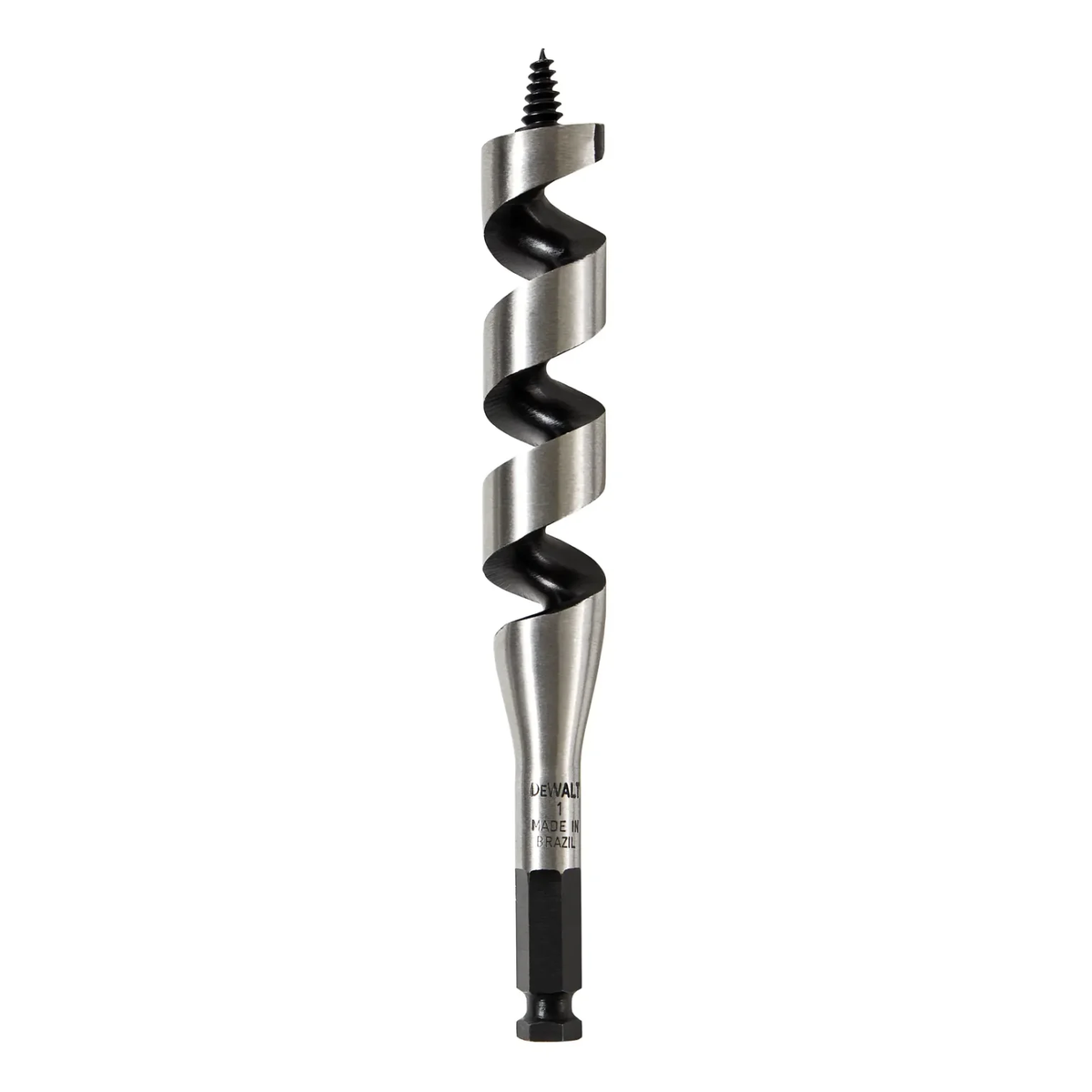
Auger bits are designed for boring through wood. Their spiral flutes remove chips as the bit advances, while many designs feature a screw tip that helps pull the bit into the material.
Electricians use longer auger bits to create cable pathways through framing members. Some specialized models are rated for nail-embedded wood, but ordinary augers should not be assumed to cut through nails.
Best for: Wood studs, joists, and longer cable-routing holes.
2. Spade Bits
Spade bits offer a straightforward way to drill relatively large holes through wood. They’re useful when speed matters more than a perfectly finished edge.
They’re also convenient for repetitive framing work, although they can produce tear-out and may require more control than a self-feeding auger.
Best for: General wood framing and shorter cable-routing holes.
3. Step Drill Bits
A step bit has multiple cutting diameters on one tool. It’s particularly useful for making or enlarging holes in thin sheet metal, including suitable electrical enclosures.
Rather than switching between several twist bits, you can advance through the steps until you reach the required diameter.
Check the bit’s thickness rating and match the finished opening to the connector or fitting. A step bit is not a universal replacement for a knockout punch.
Best for: Thin metal enclosures, panels, and suitable conduit-fitting openings.
4. Masonry and SDS Drill Bits
Concrete and concrete masonry units (CMU) are common materials on Hawaiʻi construction projects.
Carbide-tipped masonry bits are designed for these hard surfaces. SDS-Plus and SDS-Max bits work with compatible rotary hammers, which use a hammering mechanism suited to masonry drilling.
SDS-Plus and SDS-Max are different connection systems. Always check your tool before selecting a bit.
Best for: Concrete anchors, conduit supports, and masonry mounting work.
5. Cobalt and High-Speed Steel Twist Bits
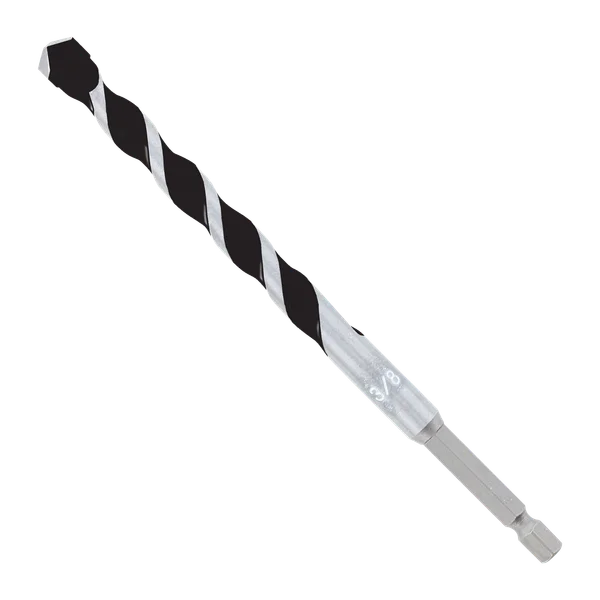
Twist bits are essential for drilling smaller holes in metal. High-speed steel (HSS) bits handle many general-purpose tasks, while cobalt-alloy bits are useful for more demanding metal drilling, including certain stainless steels.
Cobalt bits maintain cutting hardness at elevated temperatures, but proper speed, feed pressure, and suitable cutting lubricant still matter.
Best for: Metal brackets, steel components, and approved enclosure-drilling applications.
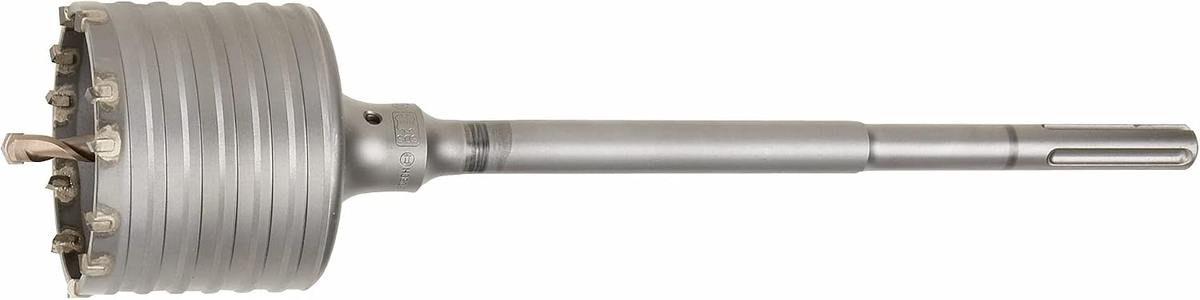
6. Hole Saws
When you need an opening larger than a conventional twist bit can produce, a hole saw may be the better choice.
Electricians use suitable hole saws for conduit entries, fixture installations, and openings through wood or metal. The cutting material matters: bi-metal, carbide, and specialty hole saws have different applications.
Check the arbor, pilot bit, cutting depth, and material rating before starting.
Best for: Larger-diameter openings for electrical installations.
How to Choose the Right Drill Bit for Electrical Work
The right drill bit isn’t necessarily the most expensive one. It’s the one that matches your material, hole diameter, drilling depth, and tool.
Use this quick comparison when planning your next job.
| Job or material | Common bit choice | What to check |
|---|---|---|
| Wood framing | Auger or spade | Hole size, length, nail-contact rating |
| Thin metal enclosure | Step bit | Thickness rating, final diameter |
| Steel bracket | HSS or cobalt twist bit | Metal type, cutting speed |
| Concrete wall | Masonry or SDS bit | Hammer compatibility, anchor requirements |
| Larger conduit opening | Hole saw | Material rating, arbor, diameter |
| Tile or other brittle finish | Material-specific specialty bit | Surface type, drilling method |
Get the Diameter Right Before Drilling
One common mistake is choosing a bit based only on the nominal size of the cable, conduit, or anchor.
For cable pathways, the opening must accommodate the wiring method without damaging it and must meet applicable installation requirements. There isn’t one universal hole size for every cable bundle.
For conduit fittings, use the opening dimensions required by the fitting manufacturer. Conduit trade size and actual hole diameter aren’t always identical.
Concrete anchors require particular care. The anchor manufacturer’s instructions determine the correct bit diameter, depth, and installation procedure. An oversized hole can compromise the anchor installation.
Check Your Drill’s Chuck and Shank
A drill bit that looks right may not fit your tool.
Standard round-shank bits typically work with compatible keyed or keyless drill chucks. Hex-shank accessories may fit drills or suitable quick-change holders, while SDS bits require their corresponding rotary hammer system.
Impact-rated accessories are designed for specified impact applications. Don’t assume every hex-shank bit is suitable for an impact driver.
If you’re unsure, bring your drill model number when contacting our team. We can help you narrow down compatible options.
Electrical Drilling in Hawaiʻi: What Makes the Job Different?
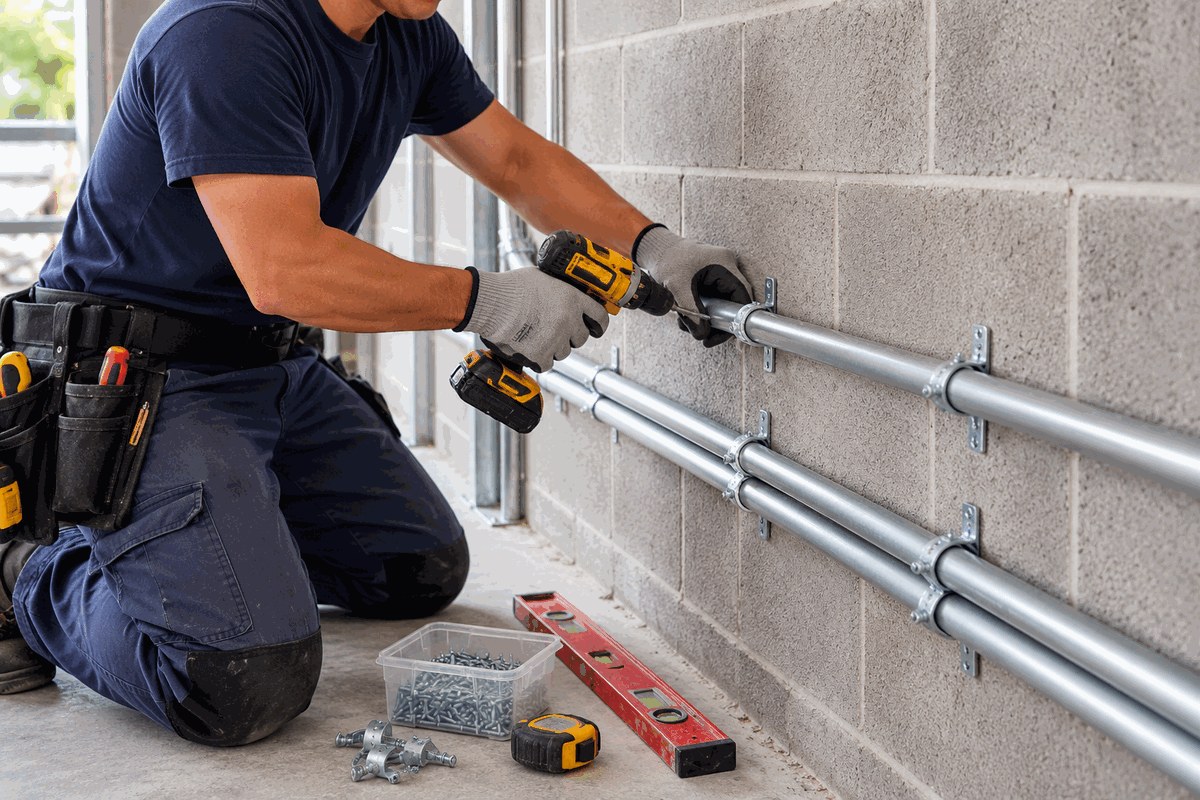
Working in Hawaiʻi can expose tools and accessories to moisture, humid storage conditions, and salt-laden air, particularly near the coast. Construction materials also vary from wood-framed residential buildings to concrete and masonry structures.
These conditions make proper bit selection and maintenance especially important.
Concrete and CMU Need the Right Cutting System
A standard wood or metal bit isn’t designed to bore through concrete. Using the wrong accessory can damage its cutting edge and place unnecessary strain on the tool.
For repeated concrete drilling, a compatible rotary hammer and carbide-tipped SDS bit may be more suitable than a conventional drill.
Pay attention to the anchor specifications, especially when mounting electrical equipment. Hole diameter, drilling depth, cleaning requirements, and anchor installation must follow the manufacturer’s instructions.
Salt Air and Moisture Can Affect Tool Life
Corrosion can develop on exposed steel surfaces when tools are repeatedly exposed to moisture and salt.
A few habits help protect your investment:
- Dry bits before returning them to storage.
- Clean away drilling dust and debris after use.
- Store bits in a closed case rather than leaving them exposed in a truck bed.
- Inspect cutting edges, shanks, and flutes for damage.
- Follow manufacturer recommendations for cleaning and corrosion protection.
A corrosion-resistant coating may help with certain conditions, but it doesn’t make it a bit maintenance-free.
Drilling Through Framing Requires Careful Placement
Electrical drilling isn’t only about getting through the material. The location of the hole matters.
For example, NEC Section 300.4(A)(1) addresses protection of wiring methods passing through bored holes in wood framing. Under the 2020 NEC provision, the edge of the hole generally must be at least 1¼ inches from the edge of the wood member, unless an applicable protective measure or exception applies.
Structural framing restrictions also apply. Before drilling load-bearing members or engineered framing, confirm the applicable structural requirements.
Always check the electrical code edition and local amendments enforced by the authority having jurisdiction for your project. These examples are not a substitute for project-specific code and installation requirements.
Building a Practical Electrician Drill Bit Kit
An electrician working primarily on residential wood framing may need a different kit from someone installing conduit supports in commercial concrete buildings.
Instead of buying every available size, start with the materials and tasks you encounter most often.
A useful core kit may include:
- Auger and spade bits for wood framing
- Step bits for suitable thin-metal work
- HSS or cobalt twist bits for metal
- SDS masonry bits for concrete drilling
- Hole saws, arbors, and pilot bits for larger openings
- Compatible extensions and bit holders
- A protective storage case and suitable maintenance supplies
For crews performing frequent anchor installations, it may also make sense to keep replacement masonry bits available in the sizes specified for their commonly used anchors.
At Slim’s, our drill bits and accessories include products represented by brands such as Bosch, DEWALT, Diablo, Milwaukee, Lenox, Alfa Tools, Galaxy Drill Bits, and Relton.
The exact selection varies by store, so we recommend checking with our team before traveling for a particular size or model.
Why Electricians Choose a Local Tool Supplier
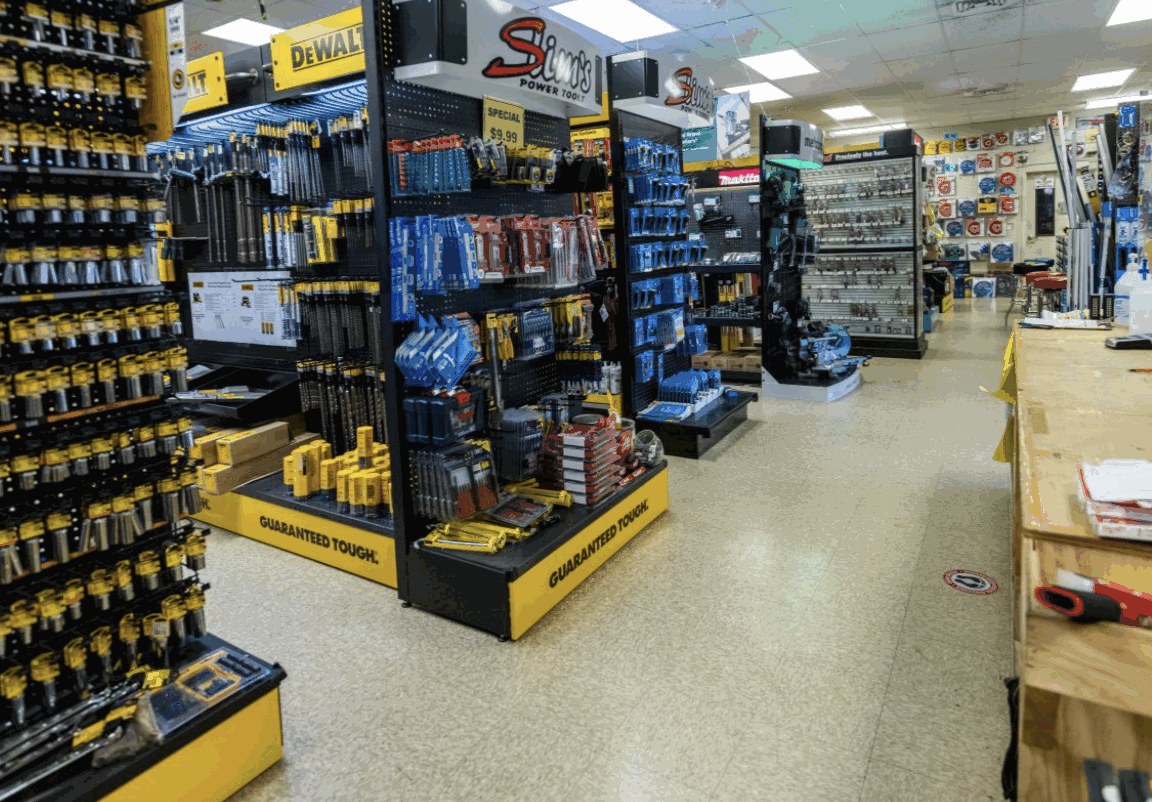
Online marketplaces are useful for comparing products, and big-box stores can be convenient for general supplies. But when you’re trying to match a particular bit to a tool or material, having access to knowledgeable local assistance can make the decision easier.
At Slim’s Power Tools, we focus on professional tools and contractor supplies rather than treating every drill bit as interchangeable.
Here’s how we can help.
Product Selection for Different Trades
We carry drilling accessories for wood, metal, masonry, concrete, and specialty applications. That includes auger bits, step bits, SDS systems, hole saws, and related accessories.
Help With Compatibility
Not sure whether your rotary hammer takes SDS-Plus or SDS-Max? Need an arbor for a particular hole saw?
Our team can help you compare the specifications before you buy.
Local Stores on Oʻahu and Maui
Our Honolulu and Kahului locations give customers on both islands a local place to ask about tools and availability.
We don’t promise that every product is on the shelf. Calling ahead is the best way to confirm a particular size, model, or quantity.
Special Orders and Tool Support
If you’re looking for a specialty bit or replacement accessory that isn’t currently available, ask about special-order options.
We also offer repair support for eligible power tools and sharpening services for qualifying cutting accessories.
You can explore our wider power tool selection if you’re also considering a new drill or rotary hammer.
Frequently Asked Questions About Electrician Drill Bits
What drill bits do professional electricians use most often?
Electricians commonly use auger and spade bits for wood framing, step and twist bits for metal, masonry bits for concrete, and hole saws for larger openings. The ideal combination depends on the type of electrical work being performed.
Can I use an impact driver with regular drill bits?
Not every drill bit is designed for impact use. Choose accessories specifically rated for your impact driver and application, and follow the manufacturer’s instructions. A standard hex shank alone doesn’t establish impact compatibility.
Are cobalt drill bits better than titanium-coated bits?
They serve different purposes. Cobalt drill bits contain a heat-resistant alloy, while titanium-coated bits generally use a surface coating over a different base material. For demanding metal drilling, especially certain stainless steels, a suitable cobalt bit may be preferable. Cutting speed and lubrication still matter.
What drill bit should I use for concrete anchors?
Use a masonry bit with the exact diameter and drilling system specified by the anchor manufacturer. Depending on the application, this may involve a hammer drill or an SDS rotary hammer. Follow the anchor’s requirements for depth and hole cleaning.
Does Slim’s Power Tools carry drill bits for electricians?
Yes. Our product range includes wood-boring bits, metal-drilling bits, step bits, masonry and SDS bits, hole saws, and related accessories. Contact our Honolulu or Kahului location to check the size and product you need.
Can Slim’s help me find a specialty drill bit?
Yes. Tell us the material you’re drilling, required hole size, and tool model. Our team can help you explore suitable products and discuss special-order options when appropriate.
Find the Right Electrician Drill Bits at Slim’s Power Tools
A worn-out bit shouldn’t turn into a guessing game at the tool counter.
Whether you’re boring through framing, preparing a metal enclosure, or drilling for concrete anchors, we’re here to help you choose accessories that match the work.
Visit or call the Slim’s Power Tools location nearest you.