
Building in Hawaii presents physical challenges that mainland contractors rarely encounter. The exact environmental factors that make the islands beautiful actively destroy professional equipment. Constant exposure to coastal salt spray, extreme tropical humidity, and highly abrasive volcanic dirt will reduce a premium power tool to scrap metal in a matter of months if left unprotected.
Since 1972, Slim's Power Tools has supplied heavy-duty equipment to contractors across Oahu and Maui. We process hundreds of repairs and see exactly how the local climate dictates the lifespan of job site gear. Relying on basic manufacturer guidelines is not enough for island builders. You must implement aggressive, climate-specific maintenance protocols to protect your financial investment and keep your crews operating without costly interruptions.
The Impact of Coastal Salt Air on Internal Electronics
Operating a job site near the coast exposes your equipment to a continuous barrage of airborne salt. Ocean breezes carry microscopic salt crystals miles inland. When these crystals settle on steel surfaces, they act as an aggressive catalyst for galvanic corrosion.
Salt water is a highly effective electrolyte. It accelerates the transfer of electrons between different types of metal. Inside a modern power tool, copper wiring, aluminum heat sinks, and steel motor housings sit in close proximity. When salt air bridges these metals, the resulting chemical reaction rapidly degrades the internal components.
Brushed vs. Brushless Motors in Salt Environments
Traditional brushed motors utilize physical carbon brushes that drag against a spinning copper commutator. This open design requires massive cooling vents to prevent the motor from melting down. These large vents pull salt-laden air directly across the sensitive electrical contacts every time you pull the trigger.
Brushless motors offer a distinct advantage for island contractors. Because they rely on a sealed electronic circuit board to control the magnetic field, manufacturers can encase the critical components. A sealed brushless motor blocks the majority of airborne salt spray from reaching the stator. Upgrading to brushless Power Tools provides an immediate baseline defense against coastal corrosion.
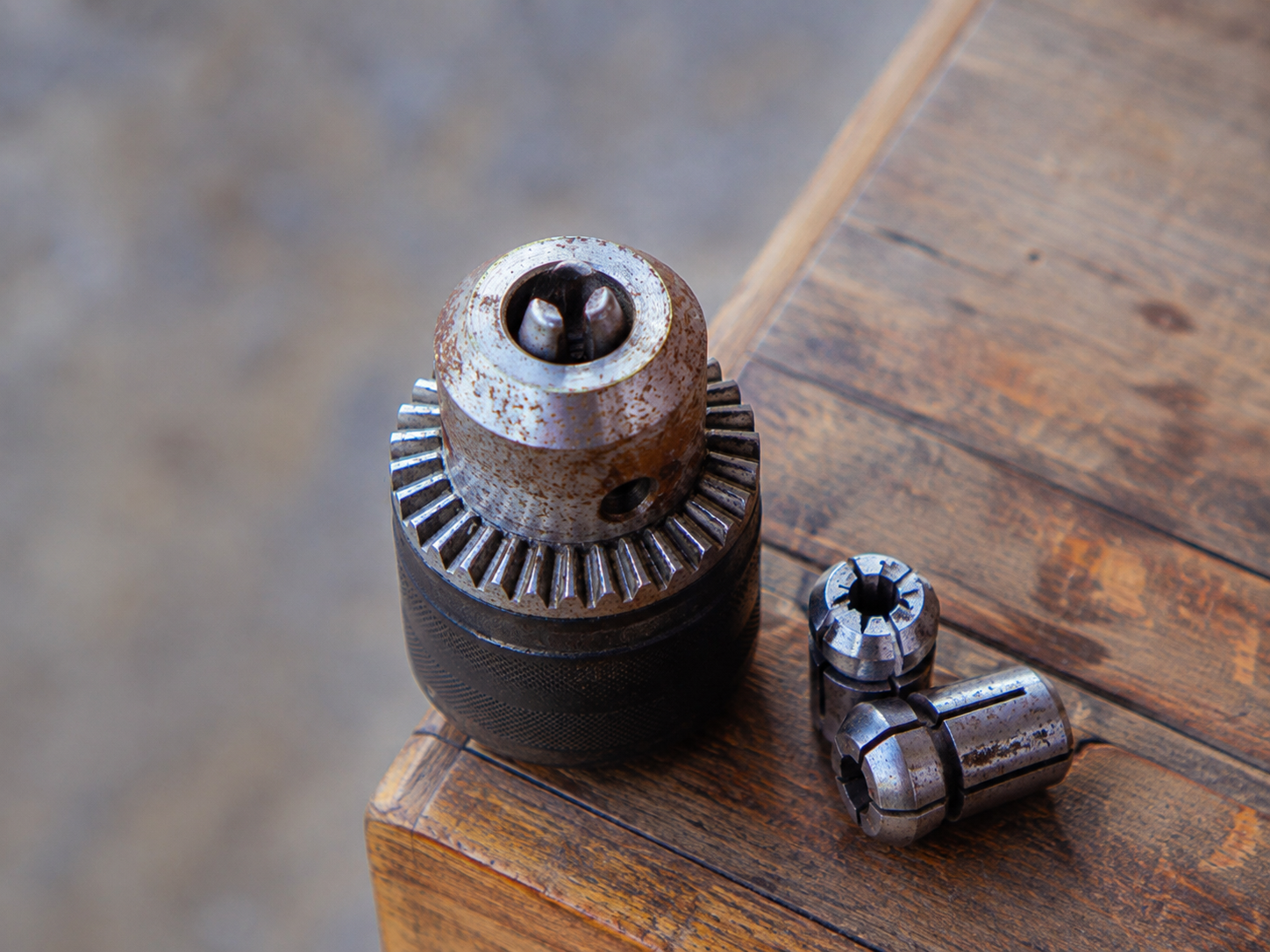
Salt air causes rapid oxidation on exposed steel chucks and collets.. Source: Phoomin Karaket
High Humidity and Battery Degradation
Hawaii maintains an average relative humidity above seventy percent year-round. This persistent moisture affects both the mechanical and chemical systems of your cordless equipment.
When you move a cold tool from an air-conditioned work truck into the humid morning air, condensation forms immediately on the cold metal and plastic. This condensation settles inside the battery terminal connections. Over time, the trapped moisture creates a green patina of copper oxide on the battery contacts. This oxidation restricts the flow of electricity. Your tool will experience sudden power drops, or the charger will falsely read the battery as defective.
Lithium-Ion Temperature Sensitivity
Beyond moisture, the sheer heat of an island job site degrades lithium-ion battery cells. Leaving batteries sitting inside a closed gang box under the afternoon sun permanently reduces their maximum charge capacity. The chemical reaction inside the battery accelerates under extreme heat, causing the internal cells to break down prematurely.
You must store your batteries in shaded, well-ventilated areas during the workday. If a battery feels hot to the touch after heavy use, allow it to cool in the shade for fifteen minutes before placing it on a charger. Forcing a rapid charge into an overheated battery compounds the thermal damage.
Volcanic Red Dirt and Abrasive Dust
The soil profile in Hawaii contains high concentrations of iron oxide and volcanic basalt. The iconic red dirt found across Maui and Oahu is not just messy. It acts as an aggressive, microscopic abrasive.
When your crew cuts concrete or digs trenches, this fine volcanic dust goes airborne. The cooling fans inside your power tools suck this dust directly into the motor housing.

Volcanic red dirt acts as a severe abrasive inside tool motor housings.. Source: ClaudineVM
Mechanical Wear and Tear
Once inside, the abrasive dust coats the ball bearings and the planetary gear assemblies. The dust mixes with the factory grease to create a thick, gritty grinding compound. This compound slowly files down the metal gear teeth. You will typically notice this damage when a drill begins making a high-pitched screaming noise under heavy load, indicating that the internal gears are slipping.
The chucks on your drills and rotary hammers face similar threats. Dust packs into the sliding jaws of a keyless chuck. Eventually, the jaws bind completely, making it impossible to insert or remove a drill bit.
Protective Maintenance Strategies for Contractors
You cannot change the weather or the soil composition of your job site. You can control how you maintain your fleet. Implementing strict tool maintenance in coastal areas prevents unexpected equipment failures and drastically extends the working life of your gear.
Daily Cleaning Protocols
Do not throw dirty tools directly into a truck bed at the end of a shift. You must remove the abrasive dust before it settles into the grease.
Use an air compressor to blow out the motor vents on every tool before packing up. Angle the compressed air nozzle so you blow the dust out of the exhaust vents rather than driving it deeper into the motor housing. Wipe down the exterior plastic housings with a damp rag to remove salt residue.
Implementing Chemical Protectants
Rust prevention for power tools in Hawaii requires specific chemical barriers. Standard WD-40 acts as a solvent, not a long-term lubricant. It displaces water momentarily but evaporates quickly, leaving the metal unprotected.
You must utilize specialized industrial protectants from our Chemicals & Lubricants collection.
- Dry Teflon Sprays: Apply dry lubricants to the sliding jaws of your drill chucks and the depth-adjustment levers on your circular saws. Dry lubricants do not attract red dirt.
- Corrosion Inhibitors: Spray heavy-duty corrosion inhibitors onto exposed steel surfaces, such as table saw beds and miter saw sliding rails. These chemicals leave a waxy film that physically blocks salt air from touching the steel.
- Dielectric Grease: Apply a very thin coating of dielectric grease to your battery terminals. This prevents moisture from causing electrical oxidation while allowing full power transfer.
Recommended Tool Maintenance Schedule
| Maintenance Task | Frequency | Target Area | Primary Benefit |
|---|---|---|---|
| Blow Out Motor Vents | Daily | Air intakes and exhaust ports | Prevents overheating and abrasive gear wear |
| Wipe Down Steel Surfaces | Daily | Chucks, collets, saw base plates | Removes corrosive salt spray residue |
| Apply Dry Lubricant | Weekly | Chuck jaws, sliding adjustment rails | Keeps moving parts operating smoothly |
| Inspect Battery Terminals | Monthly | Tool contacts and charger bays | Prevents electrical oxidation and power loss |
Choosing the Right Tools for the Climate
When purchasing new equipment, you must look beyond the voltage and torque specifications. The physical construction of the tool housing determines its survival rate in the islands.
Manufacturers test their equipment against environmental intrusion and assign an Ingress Protection (IP) rating. The first digit of an IP rating indicates protection against solid objects like volcanic dust. The second digit indicates protection against liquids like tropical rain.
A tool rated IP20 offers zero protection against dust or water. A tool rated IP56 protects against heavy dust intrusion and withstands high-pressure water jets. Contractors working heavy civil jobs or operating on exposed coastal sites must demand tools with high IP ratings.
The Slim’s Power Tools Unconditional Guarantee
Even with meticulous maintenance, accidents and unexpected failures happen on active job sites. Dropping a drill off a roof or backing a work truck over a circular saw are common occurrences.
We understand the realities of building in Hawaii. That is exactly why we offer the Slim's Power Tools Unconditional One-Year Guarantee on selected power tool manufacturers. This protection goes far beyond standard factory warranties that deny claims based on normal wear and tear. If you accidentally cut the cord, drop the tool, or run it over within the first year, bring it to our counter. We back the equipment we sell because we know local contractors need partners they can rely on when things go wrong.
Equip Your Crew for the Elements
You cannot treat your power tools like disposable commodities in this climate. Upgrading to sealed brushless motors, utilizing corrosion-inhibiting chemicals, and blowing out the volcanic dust daily guarantees your equipment will survive the demands of island construction.
Visit Slim's Power Tools at our Honolulu location or our Maui location to consult with our experts. We see the damage caused by the local environment every single day in our repair shop. We can guide you toward the specific brands and tool models engineered with superior weather sealing and heavy-duty dust protection. Explore our full range of professional equipment and protective Chemicals & Lubricants to secure your fleet against the elements.
