
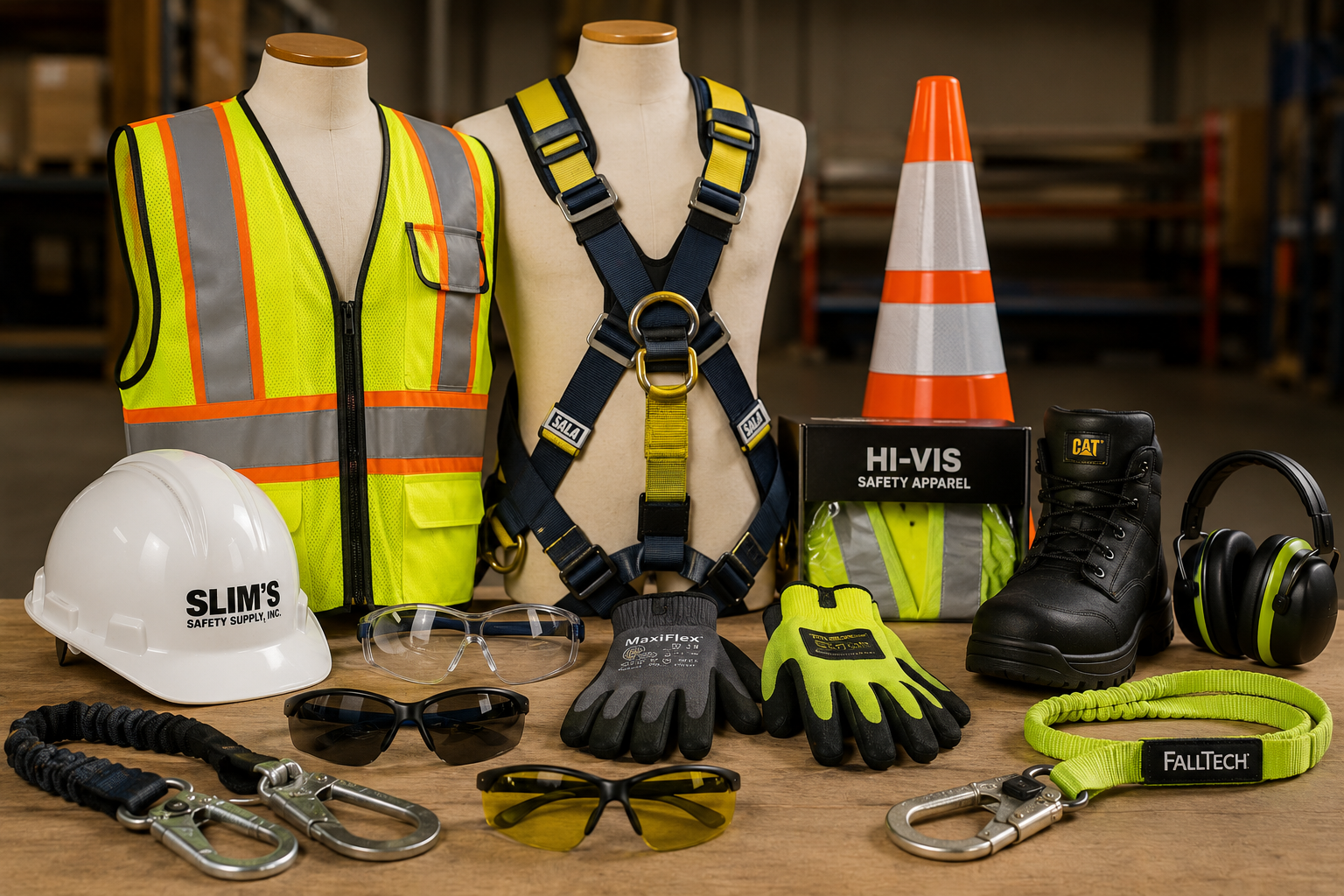
Commercial construction sites present constant hazards. Falling objects, flying debris, elevated work surfaces, heavy equipment, loud noise, and airborne particles create risks that can lead to serious injury or worse. While engineering controls and safe work practices come first, personal protective equipment (PPE) remains the critical last line of defense.
Choosing the right safety equipment—and making sure it is available when your crew needs it—protects workers, keeps projects on schedule, and helps you stay compliant. Whether you are running a high-rise job in Honolulu, a commercial build on Maui, or any project across the islands, these five essentials form the foundation of a well-protected commercial construction site.
1. Hard Hats (Head Protection)
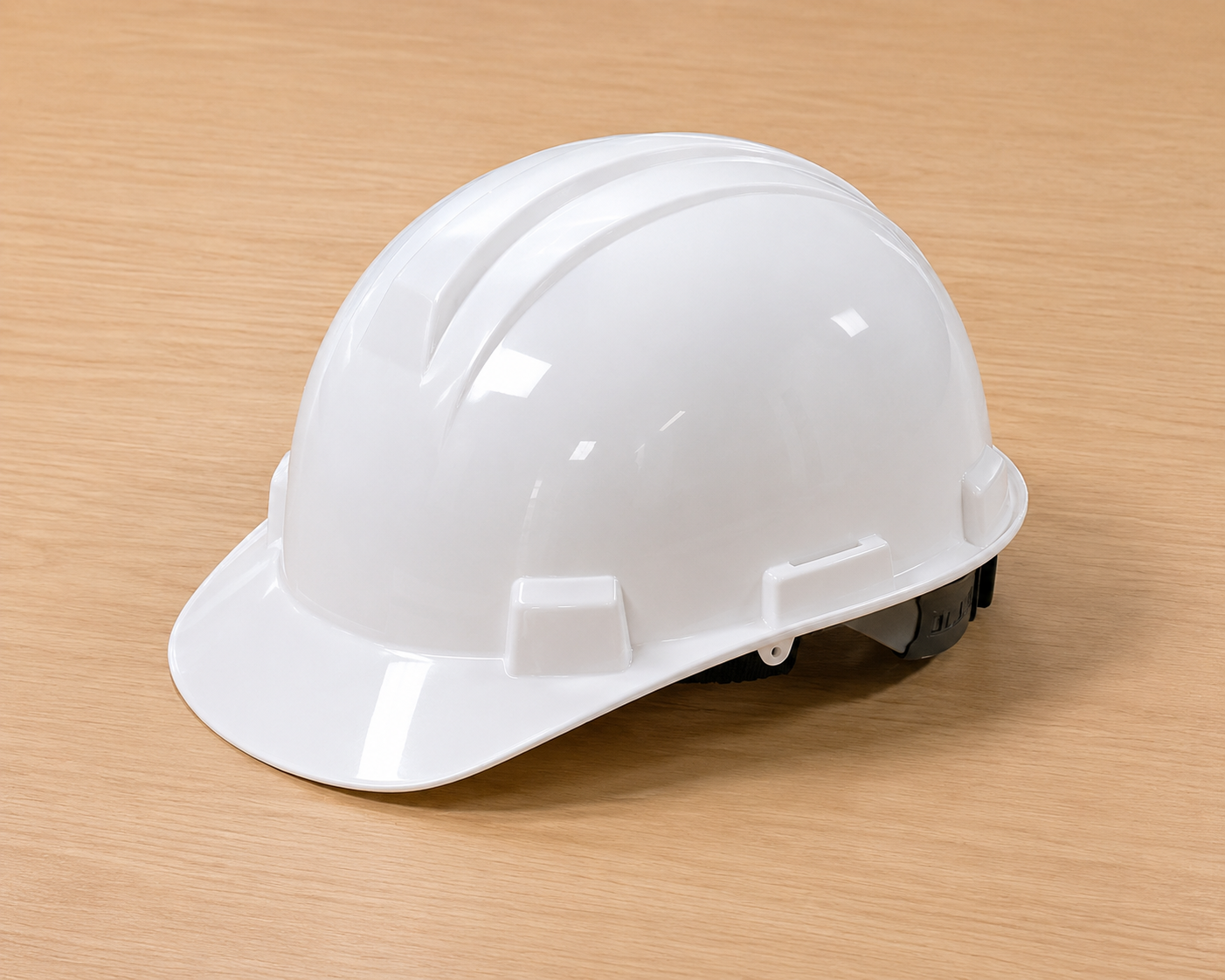
Head injuries rank among the most serious and preventable incidents on construction sites. Falling tools, debris, swinging loads, or accidental contact with beams and formwork can cause traumatic brain injuries in an instant.
A proper hard hat must meet ANSI Z89.1 standards. Type I hard hats protect against impacts from above, while Type II models add valuable side-impact protection—strongly recommended for busy commercial environments. Look for adjustable suspensions that stay secure during long shifts, and consider options with sun brims or ventilation for Hawaii’s intense heat and UV exposure.
Common problems include continuing to use cracked or previously impacted hard hats, choosing poorly fitting models that workers remove, and failing to replace them on schedule. Any hard hat that has taken a significant blow should be taken out of service immediately.
2. Eye and Face Protection
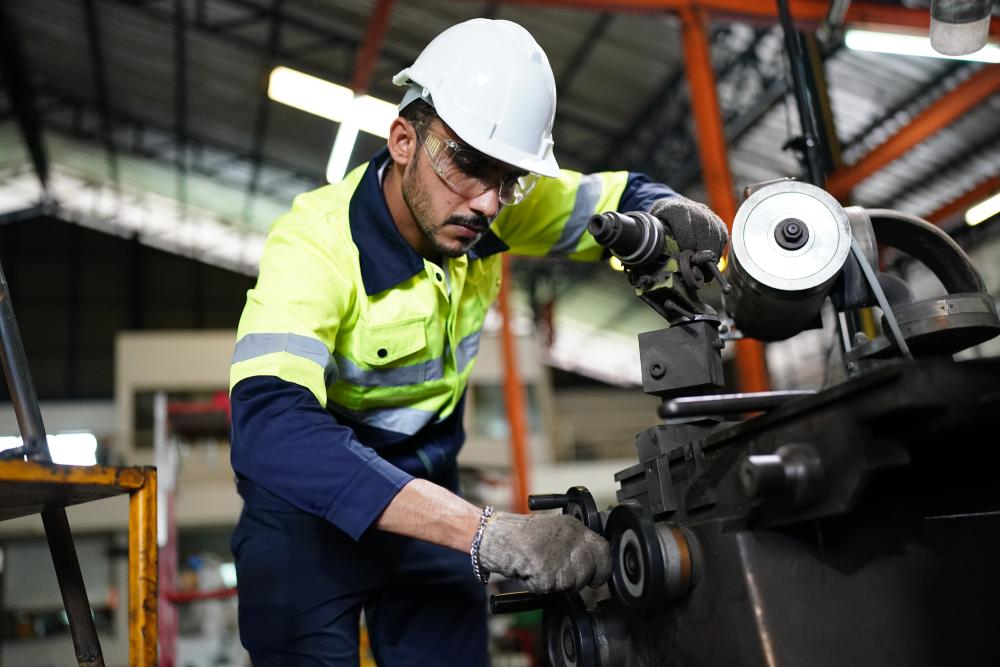
Eyes are extremely vulnerable on commercial sites. Concrete dust, grinding sparks, flying fasteners, chemical splashes, and prolonged UV exposure can cause permanent damage in seconds.
Safety glasses or goggles must meet ANSI Z87.1 impact standards. In Hawaii’s humid climate, anti-fog and scratch-resistant coatings make a real difference in daily usability. For higher-risk tasks such as grinding, cutting rebar, or chipping concrete, a full face shield worn over safety glasses provides essential extra coverage.
Workers sometimes skip eye protection for short tasks or choose glasses that slide down and fog up. Proper fit, comfort, and consistent enforcement are just as important as the rating stamped on the lens.
3. Fall Protection Systems
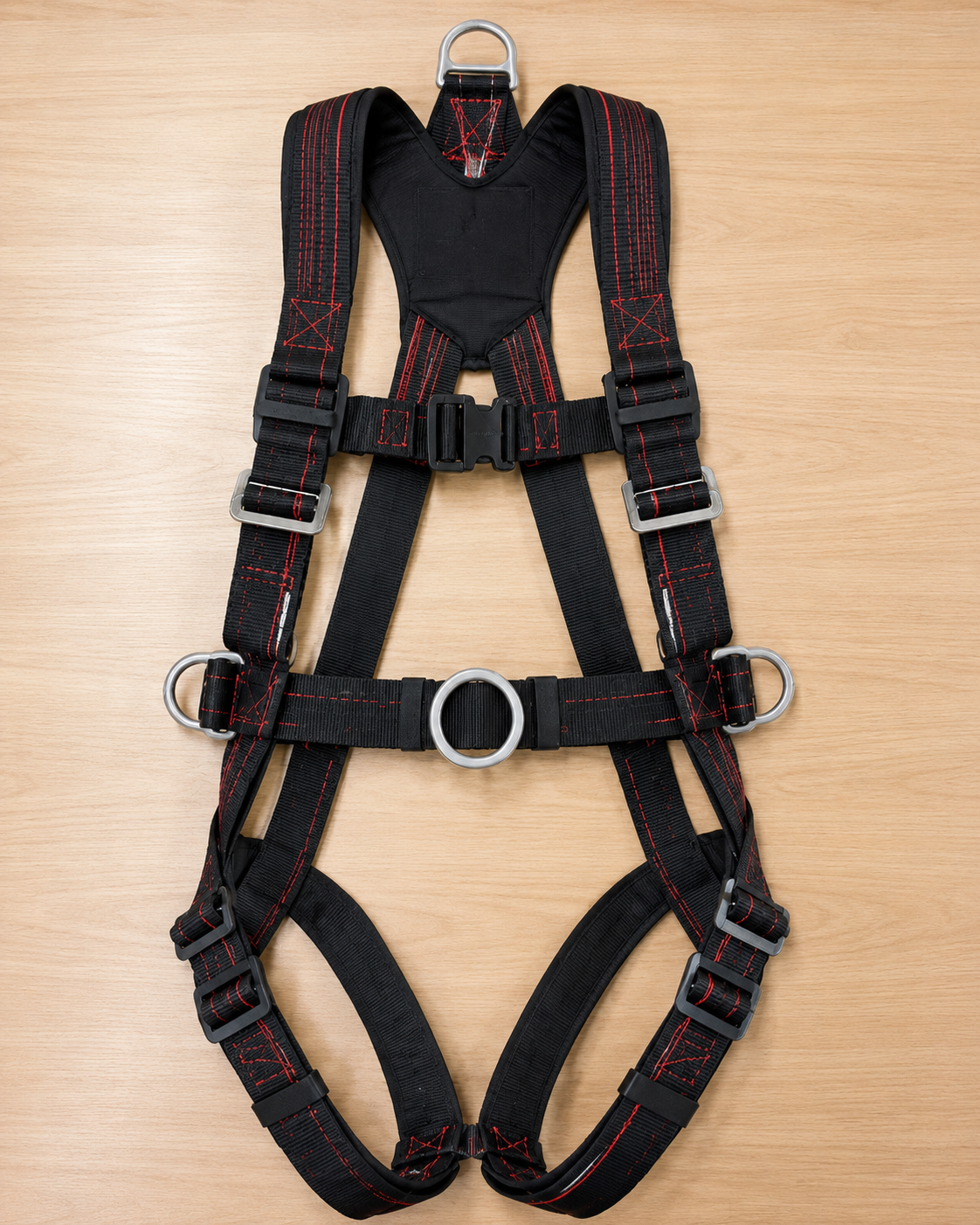
Falls from height remain one of the leading causes of fatalities in construction. Scaffolding, elevated platforms, roof edges, and unfinished floor openings create serious fall hazards on almost every commercial project.
A full-body harness connected to a shock-absorbing lanyard or self-retracting lifeline is required whenever workers are exposed to falls of 6 feet or more. The equipment must meet current OSHA and ANSI standards. In Hawaii’s coastal environment, corrosion-resistant hardware is especially important. Proper fit, daily inspection, and formal periodic inspections are mandatory.
Many fall incidents happen because harnesses are worn incorrectly, anchorage points are inadequate, or equipment has been allowed to degrade. Training and consistent use are critical companions to the gear itself.
4. High-Visibility Clothing
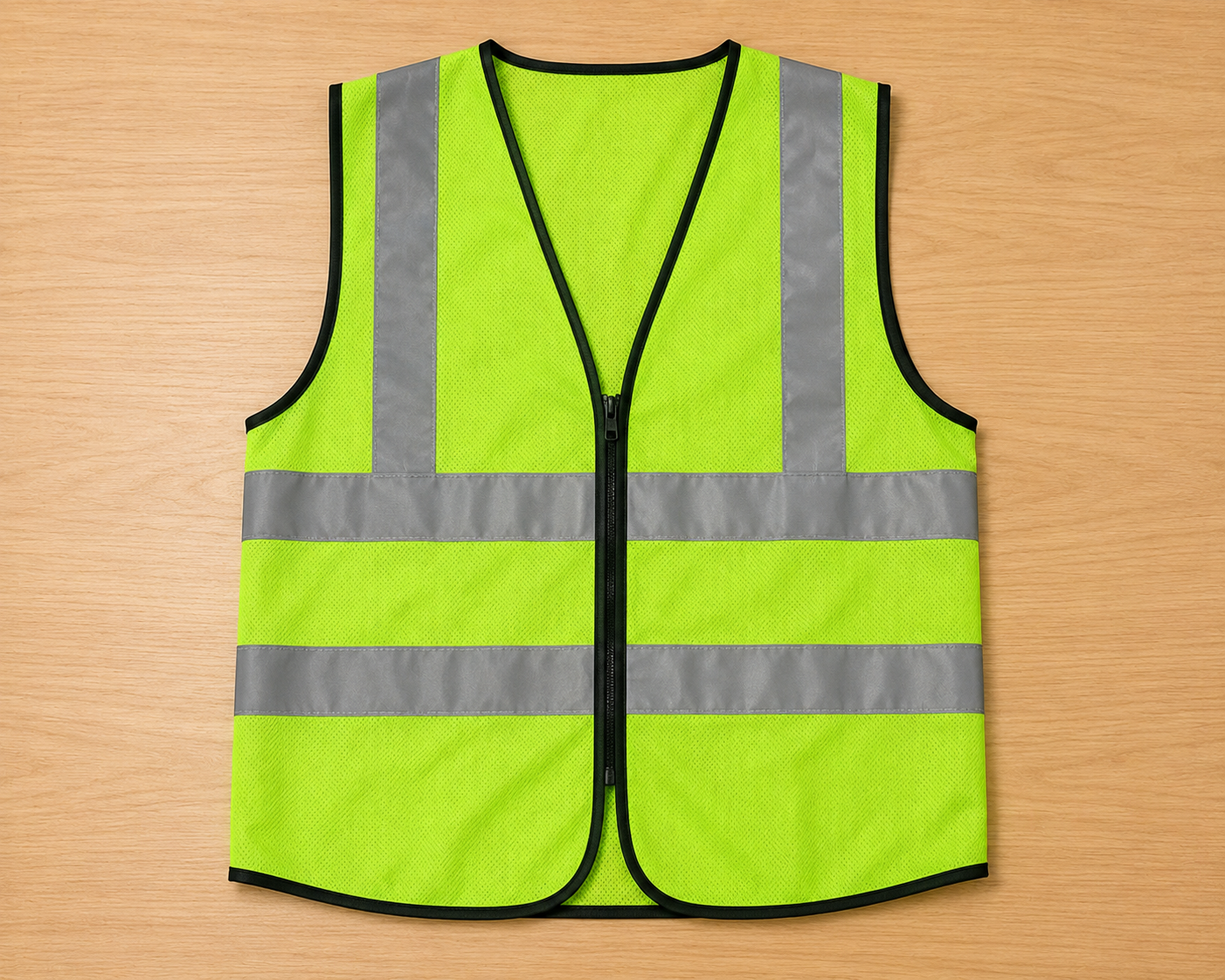
On large commercial sites, workers must remain highly visible to equipment operators, delivery drivers, and other trades. Struck-by incidents increase dramatically in low-light conditions, early mornings, late afternoons, or during overcast weather.
Class 2 high-visibility vests meet the minimum for most commercial construction; Class 3 garments offer greater coverage and are preferred in higher-risk zones. Choose durable fluorescent material with high-quality reflective striping that retains effectiveness after repeated washing. Breathable, moisture-wicking fabrics help crews stay comfortable in Hawaii’s heat and humidity.
Faded, dirty, or damaged high-visibility clothing loses effectiveness quickly. Replace garments as soon as the fluorescent color or reflective material begins to degrade.
5. Hand Protection, Foot Protection & Hearing Protection
Hands, feet, and hearing face constant exposure on commercial sites. Sharp materials, heavy loads, vibrating tools, and high noise levels create both immediate and long-term risks.
Cut-resistant gloves protect against lacerations and abrasions. Steel-toe or composite-toe boots defend against crush and puncture injuries. Hearing protection—earplugs or earmuffs rated for the specific noise levels—must be worn when equipment noise exceeds safe limits. Many crews also need industrial respirators when silica dust, solvents, or other airborne hazards are present.
Selecting the wrong glove for the task, wearing worn-out boots, or using inadequate hearing protection are frequent and costly mistakes. Match each piece of PPE to the actual hazard for maximum effectiveness.
| Safety Essential | Primary Risk Addressed | Key Standard | Hawaii Consideration |
|---|---|---|---|
| Hard Hat | Falling objects, impact | ANSI Z89.1 | Heat & UV resistance |
| Eye/Face Protection | Flying debris, UV, chemicals | ANSI Z87.1 | Anti-fog coatings for humidity |
| Fall Protection Harness | Falls from height | OSHA/ANSI | Corrosion-resistant hardware |
| High-Visibility Clothing | Struck-by incidents | ANSI/ISEA 107 | Breathable fabric for tropical heat |
| Gloves, Boots & Hearing Gear | Cuts, crush, noise-induced loss | Various | Salt-air durability & comfort |
Hawaii Safety Equipment Requirements and HIOSH
In Hawaii, workplace safety is enforced by the Hawaii Occupational Safety and Health Division (HIOSH), part of the Department of Labor and Industrial Relations. Hawaii operates a state plan that must be at least as effective as federal OSHA. For construction, HIOSH largely adopts the federal standards found in 29 CFR Part 1926 while adding certain Hawaii-specific rules.
Employers are required to perform a hazard assessment of the jobsite and provide appropriate PPE at no cost to workers. This includes head, eye, face, foot, hand, hearing, and fall protection based on the specific risks present. Fall protection is required at 6 feet or more above a lower level—consistent with federal construction standards. HIOSH also emphasizes proper training, inspection, and maintenance of PPE.
Local conditions in Hawaii add practical considerations that go beyond the written standards. High humidity accelerates fogging of safety glasses. Salt air can corrode metal components on harnesses and hard-hat suspensions. Intense UV and heat make breathable, comfortable gear more likely to be worn consistently. Choosing durable, corrosion-resistant, and climate-appropriate equipment helps crews stay both compliant and protected.
Failure to provide or enforce proper PPE can result in HIOSH citations, fines, project delays, and—most importantly—preventable injuries. Working with a local supplier who understands both the regulatory requirements and the real-world conditions of Hawaiian construction makes compliance more practical.
Why Slim’s Power Tools Is Different
Big-box stores often carry basic consumer-grade PPE that may not stand up to the demands of commercial jobsites or Hawaii’s coastal environment. Online-only retailers frequently leave contractors waiting days for delivery. Slim’s Power Tools has served Hawaii’s professional trades since 1972, with deep local inventory in both Honolulu and Kahului. Our team understands salt-air corrosion, volcanic dust, high humidity, and the need for same-day availability. That combination of professional-grade selection and local expertise helps keep your crew protected and your project moving.
Relevant Products & Services at Slim’s Power Tools
- Fall protection harnesses and complete systems
- Industrial respirators and replacement filters
- Cut-resistant and general-purpose work gloves
- Safety glasses, goggles, and face shields
- High-visibility vests and apparel
Frequently Asked Questions
1. What safety equipment does HIOSH require on commercial construction sites?
HIOSH requires employers to assess hazards and provide appropriate PPE at no cost. This typically includes head, eye, face, foot, hand, hearing, and fall protection meeting applicable ANSI and OSHA standards.
2. How often should safety equipment be inspected?
PPE should be inspected before each use. Fall protection harnesses, hard hats, and similar items also require formal periodic inspections according to manufacturer guidelines. Damaged equipment must be removed from service immediately.
3. Are there Hawaii-specific differences from federal OSHA for PPE?
HIOSH standards are at least as effective as federal OSHA. Construction largely follows 29 CFR 1926, with fall protection required at 6 feet. Local environmental factors such as humidity and salt air make durable, climate-appropriate gear especially important.
4. Can I purchase bulk safety equipment for my entire crew at Slim’s?
Yes. Slim’s regularly supplies commercial contractors with bulk quantities of PPE. Contact either store with your list so we can confirm current stock or arrange a special order.
5. Do you carry fall protection suitable for coastal Hawaii environments?
We stock professional fall protection systems designed for demanding conditions. Our team can help you select options with corrosion-resistant components suited to salt-air exposure.
6. What if the exact model I need is not in stock?
Our staff can place special orders for specific brands, models, or larger quantities. Local inventory and responsive service help minimize downtime on your project.
Protect your crew and keep your commercial projects on schedule
Visit Slim’s Power Tools today—Honolulu at 1626 Republican Street or Kahului, Maui at 142 Kalepa Place. Call (808) 841-0902 (Oahu) or (808) 242-7878 (Maui) for immediate help, or join our e-Power Club for exclusive deals and early access to the latest PPE. When it comes to jobsite safety in Hawaii, there’s Slim’s—and there’s none.
